Browse

Log in / Register
 Share

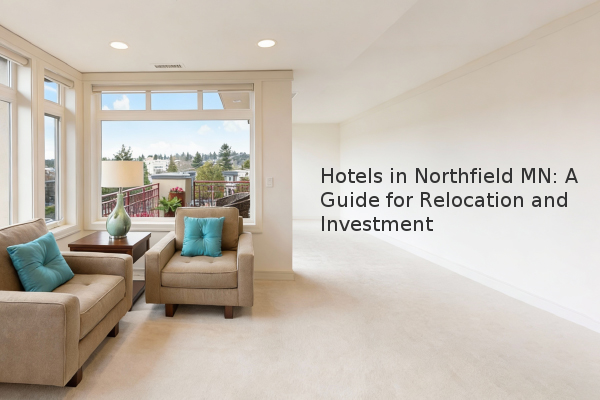
For individuals and businesses considering Northfield, MN, understanding the local hotel landscape is a critical first step for both short-term stays and long-term real estate decisions. The city's hospitality market reflects its economic vitality and quality of life, which are key factors for anyone evaluating a move or a commercial investment. This analysis provides a data-driven overview of Northfield's hotel options, their connection to the local economy, and how this information can inform your broader real estate strategy.
The variety and occupancy rates of hotels in a city are strong indicators of its economic health. Northfield, home to both Carleton and St. Olaf Colleges, experiences consistent demand from visiting parents, academics, and event attendees. This creates a stable baseline for the hospitality sector. A healthy hotel market often correlates with a robust local economy, which is a positive sign for residential real estate appreciation and commercial viability. For a real estate investor, this sustained demand suggests a community with enduring appeal. The presence of well-maintained, brand-affiliated hotels points to professional management and investment in local infrastructure, factors that contribute to overall property values.
Key Market Segments (2025 Data):
| Hotel Category | Average Daily Rate (ADR) | Primary Guest Demographic |
|---|---|---|
| Mid-Scale Brands | $120 - $150 | Business travelers, college visitors |
| Boutique/Inns | $140 - $200 | Tourists, weekend getaways |
| Economy Lodging | $80 - $110 | Contract workers, budget-conscious families |
Staying in a local hotel provides an invaluable, ground-level perspective when you are scouting a new city. Instead of a brief driving tour, an extended stay allows you to experience Northfield's neighborhoods, traffic patterns, and amenities firsthand. You can assess the proximity of potential homes to essential services, schools, and commercial centers. This on-the-ground research is crucial for making an informed purchase agreement decision. Use this time to visit different areas at various times of the day to gauge noise levels and community activity. This firsthand experience helps you move beyond online listings and truly understand if a neighborhood meets your lifestyle needs.
For those interested in commercial real estate, the performance of Northfield's hotel sector can signal opportunities. Strong, consistent occupancy rates may indicate a potential market for related businesses, such as restaurants, retail spaces, or even additional lodging options like extended-stay suites. Analyzing this sector involves looking at metrics like Revenue Per Available Room (RevPAR), a key industry indicator of profitability. Investing in commercial property near successful hotels can be strategic, as it positions your asset within a proven traffic corridor. However, this requires careful analysis of market saturation and future development plans.
To effectively use your time in Northfield, plan a structured approach. First, book a hotel centrally located to the neighborhoods you are most interested in. During your stay, document your observations about commute times, access to grocery stores, and the general upkeep of properties in the area. Engage with local residents and business owners to gain insights that aren't available in online reports. This due diligence is a non-negotiable part of the property transfer process, ensuring you are making a sound long-term investment. This proactive research mitigates the risk of unexpected surprises after a purchase.
A strategic visit to Northfield, utilizing local hotels as a base, provides critical insights that online data cannot fully capture. By connecting the performance of the hospitality market to broader real estate trends, you can make a more confident and informed decision.