Browse

Log in / Register
 Share
Share
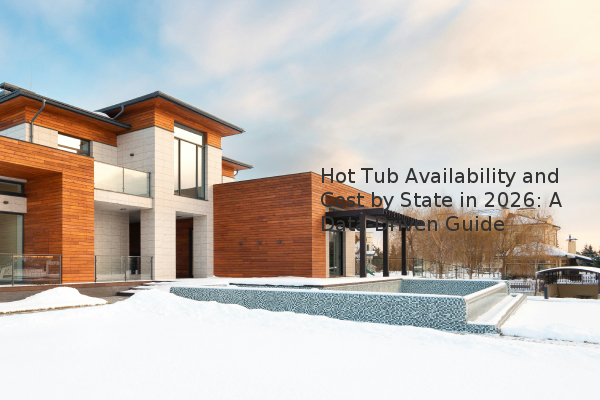
Homes with hot tubs are most prevalent in Nevada and Arkansas, according to an analysis of nationwide real estate listings. However, the additional cost for this luxury feature varies dramatically, from a negligible premium in some states to a markup of over five times the local median home price in others. This guide provides a data-driven look at where hot tubs are most common and what premium buyers can expect to pay in 2026.
To determine hot tub popularity, analysts create a Hot Tub Availability Index by comparing the number of listings featuring hot tubs to the total active listings in each state. This metric reveals concentration rather than just total numbers. While California has the highest raw number of homes with hot tubs, its large market size dilutes the prevalence. The states where you are statistically most likely to find a home with a hot tub are Nevada and Arkansas. The analysis also identified a notable regional concentration in the northern Rocky Mountain states, including Utah, Colorado, Wyoming, Idaho, and Montana, where the feature is popular for post-skiing relaxation. Interestingly, hot tub availability can change sharply across state lines; they are common in Arkansas but relatively scarce just south in Louisiana.
A hot tub is generally considered a luxury feature, an upgrade that adds to a property's value. However, the associated price premium is not consistent across the United States. In some states, the cost difference is minimal. Based on our experience assessment, homes in states like Kansas and Tennessee show a very small price difference, suggesting the hot tub adds little to the final sale price. In contrast, the premium is most significant in high-cost states. For example:
This indicates that in certain markets, a hot tub is a feature found almost exclusively in the highest-priced segment of homes.
The decision to install a hot tub for resale value is complex. The data suggests that the return on investment is highly market-dependent. In regions where hot tubs are common and expected, such as mountain resorts, not having one could be a disadvantage. However, in areas where they are a rare luxury, the cost of installation may not be fully recouped upon sale. Homeowners should consider local buyer expectations and climate. Furthermore, maintenance costs and potential buyer concerns about upkeep can affect the perceived value. The investment potential of a hot tub is not guaranteed and varies significantly by location.
For buyers, a home with a hot tub requires due diligence beyond the purchase price. It is crucial to inquire about the age, brand, and maintenance history of the unit. An old or poorly maintained hot tub can represent a significant future expense. Buyers should also factor in the ongoing costs of chemicals, electricity, and water. A professional home inspection should include an assessment of the hot tub's condition and its compliance with local safety codes, particularly regarding fencing and electrical connections.
When considering a home with a hot tub, focus on the local market premium, the unit's condition, and the ongoing maintenance costs. This luxury feature offers enjoyment but comes with financial considerations that extend beyond the initial purchase price.