Browse

Log in / Register
 Share

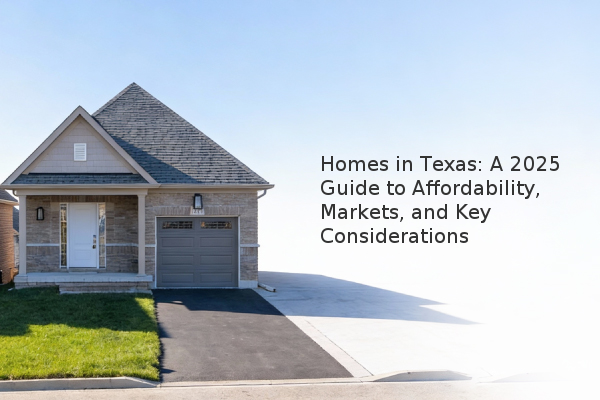
The Texas real estate market in 2025 continues to offer a compelling mix of affordability and diverse metropolitan opportunities, though key factors like property tax rates and location-specific growth dynamics are critical for buyers to evaluate. For those considering homes in Texas, the core appeal lies in a lower overall cost of living compared to other major states, anchored by the absence of a state income tax. This guide provides an objective overview of current market trends, regional price variations, and essential considerations for navigating your purchase.
As of early 2025, the Texas housing market is experiencing a period of stabilization following the rapid appreciation of previous years. Based on our experience assessment, inventory levels have improved, providing buyers with more options than were available in the peak seller's market. The median sales price for homes in Texas hovers around $350,000, which remains below the national median. However, this figure masks significant regional disparities. Major metropolitan areas like Austin and Dallas-Fort Worth command higher prices, while markets in El Paso, San Antonio, and many rural areas offer greater affordability. It is crucial to consult multiple listing services (MLS) data for the most current, hyper-local market conditions before making an offer.
| Texas Metro Area | Median Home Price (Est. 2025) | Key Market Characteristic |
|---|---|---|
| Austin-Round Rock | $520,000 | Strong tech sector demand, high appreciation rates |
| Dallas-Fort Worth | $410,000 | Diverse economy, steady population growth |
| Houston-The Woodlands | $335,000 | Energy sector influence, large geographic market |
| San Antonio-New Braunfels | $315,000 | Relative affordability, stable growth |
| El Paso | $275,000 | Most affordable major metro |
The concept of affordability for homes in Texas extends beyond the purchase price. The state is known for its comparatively high property tax rates, which are local levies on the assessed value of real estate. These taxes fund essential services like schools and infrastructure but represent a significant recurring cost for homeowners. While the lack of a state income tax is a financial benefit, it is often offset by these property taxes. Furthermore, homeowners insurance premiums can be higher in regions prone to severe weather, such as hail storms or hurricanes along the coast. A comprehensive budget must account for these ongoing expenses, not just the mortgage principal and interest.
The type of home and its location within Texas dramatically influence lifestyle and cost. A Freehold property, which means you own the land and the building outright, is the most common form of ownership for single-family homes. In contrast, condominiums (Condos) involve ownership of the unit's interior space while sharing ownership of common areas with other residents. Suburban areas often offer larger, newer homes in Texas with more space, while urban cores provide condos and townhomes with proximity to employment and entertainment. When evaluating location, research school districts, commute times, and future development plans, as these factors directly impact long-term property value and quality of life.
The process of purchasing homes in Texas follows a structured path. After securing financing pre-approval, you will work with a real estate agent to find a property and submit an offer. A critical step is the option period, a negotiated number of days where you, as the buyer, can conduct inspections and potentially renegotiate or withdraw from the contract without losing your earnest money. Another vital component is title insurance, a policy that protects the homeowner and lender from financial loss due to defects in the property's title, such as unknown liens or ownership claims. The closing process is typically managed by a title company, which ensures the deed is properly transferred and all funds are disbursed correctly.
To make an informed decision on homes in Texas, focus on the total cost of ownership, research location-specific market data, and understand the contractual steps involved in a Texas real estate transaction.