Browse

Log in / Register
 Share
Share
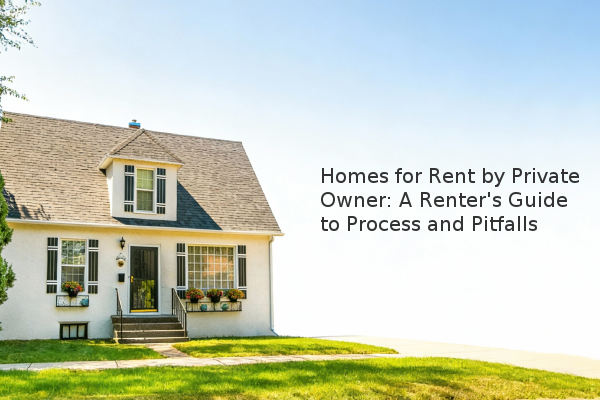
Renting a home directly from a private owner can offer unique advantages, such as potential flexibility and direct communication, but it requires renters to be more diligent to avoid common pitfalls. The core difference lies in the absence of a property management company, placing the responsibility for understanding the process squarely on the tenant. This guide outlines the essential steps, from the initial search to signing the lease, to help you navigate this market effectively.
A private owner, or "For Rent By Owner" (FRBO), is an individual who owns and manages their rental property without using a professional management firm. This can lead to a more personalized rental experience. You communicate directly with the decision-maker, which may allow for negotiating terms like rent price, lease length, or pet policies. However, this informality also means there is no corporate oversight, so your experience is highly dependent on the owner's professionalism and responsiveness. It’s crucial to verify that the person you are dealing with is indeed the legitimate property owner to avoid rental scams.
Locating these properties requires a multi-pronged approach. While major listing sites aggregate some FRBO options, you can also find them on local community bulletin boards, in newspaper classifieds, or by driving through desired neighborhoods looking for "For Rent" signs. Once you find a potential home, thorough vetting is essential. Based on our experience assessment, you should always verify ownership through county tax records, which are typically available online. Be extremely cautious of deals that seem too good to be true, requests for wire transfers or cash-only payments, or owners who are unwilling to meet in person or show the property.
The application process with a private owner may be less formal than with a large company, but it should still be thorough. Expect to complete a rental application and provide documentation such as proof of income, references, and consent for a credit and background check. A security deposit, often equivalent to one month's rent, is standard practice to cover potential damages beyond normal wear and tear. You have the right to ask the owner about their screening criteria and how your information will be used. A professional owner will have a consistent process for all applicants.
| Common Rental Application Requirements | Purpose |
|---|---|
| Completed Application Form | Contact and rental history |
| Proof of Income (e.g., pay stubs) | Verifies ability to pay rent |
| Government-Issued ID | Confirms identity |
| Authorization for Credit/Background Check | Assesses financial responsibility |
A comprehensive lease agreement is your most important protection. Even with a private owner, you must have a written lease. This legally binding contract should clearly outline the rent amount, due date, late fees, security deposit terms, and the duration of the tenancy. Pay close attention to clauses regarding maintenance responsibilities, policies on guests and pets, and the procedure for ending the tenancy. It is highly recommended to have a lawyer or a knowledgeable third party review the lease before signing, especially if any clauses seem unusual or vague. Do not rely on verbal agreements.
A successful relationship with a private owner hinges on clear communication. Establish preferred methods for reporting maintenance issues and understand the expected response time. Keep a record of all communications, including emails and texts, and get permission for any alterations to the property in writing. Before moving in, conduct a walk-through inspection with the owner and document the property's condition with photos or a video to avoid disputes over the security deposit when you move out. Understanding your state's landlord-tenant laws is crucial, as they outline the rights and responsibilities of both parties.
Navigating the FRBO market successfully requires proactive research, clear documentation, and open communication. By thoroughly vetting the property and owner, carefully reviewing the lease, and maintaining a professional relationship, you can secure a rental home that meets your needs while minimizing potential risks. Always prioritize properties with a transparent process and a responsive owner.