Browse

Log in / Register
 Share
Share
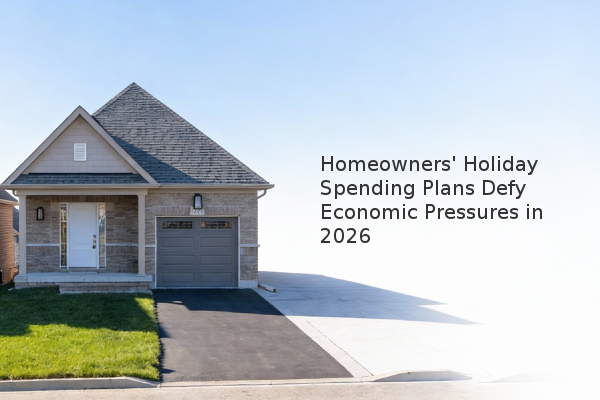
Despite rising costs of homeownership and persistent inflation, a significant majority of American homeowners plan to increase their holiday spending in 2026, with many expecting to rely on credit card debt that will extend well into the new year. This trend, highlighted in a recent industry survey, reveals a growing disconnect between household budgets and spending behavior, prompting many to consider alternative financing options like home equity.
What do recent surveys reveal about homeowner spending habits?
A 2026 survey indicates that nearly 70% of homeowners anticipate carrying holiday credit card debt, with average planned expenditures ranging from $1,000 to $1,999 on gifts, travel, and seasonal activities. This spending occurs against a backdrop of record-high credit card debt nationally, which has surpassed $1.23 trillion, and borrowing costs that remain elevated. The data suggests that while financial cushions are thinning, the desire to maintain traditional holiday celebrations remains strong. According to the survey's author, "Incomes haven’t kept up with expenses, but they’re not necessarily in a mood to cut back on annual celebrations either."
Why are homeowners feeling financially overwhelmed?
The psychological and financial strain is significant even before holiday spending begins. The survey found that nearly one in four American homeowners report feeling "extremely overwhelmed" by their current level of credit card debt. This sentiment underscores that rising debt imposes more than just a financial burden; it also affects mental well-being. This is occurring even as many homeowners sit on substantial home equity—the calculated market value of a property minus any outstanding mortgage liens. This creates a "liquidity challenge," where accumulated wealth is tied up in the home and difficult to access for immediate expenses.
How is home equity becoming a tool for debt management?
For many families, their home represents their largest store of personal wealth, especially after a decade of rising property values. However, day-to-day finances have not kept pace, leading to a gap that is pushing homeowners to look for ways to access this equity. One emerging alternative is a Home Equity Investment (HEI), a financial agreement that provides a homeowner with a lump sum of cash in exchange for a share of the home’s future appreciation. Unlike a traditional home equity loan, an HEI requires no monthly payments. Repayment of the initial amount plus a agreed-upon share of the home's value increase typically occurs through a home sale or refinance within a 30-year term.
What steps should homeowners take to manage holiday debt?
In the current economic climate, awareness is as crucial as financial discipline. Homeowners are advised to understand their exact credit card interest rates and estimate the long-term cost of carrying a balance. Exploring the true cost of revolving debt and comparing it with other financing options, including responsible ways to tap into built-up home equity, is a key strategic move. The goal is not necessarily to reduce spending but to make fully informed decisions about the financial trade-offs involved.
The key takeaway for homeowners is to proactively assess their financial situation. Understanding the full cost of debt and being aware of all available options, including modern alternatives like Home Equity Investments, can provide a clearer path to managing seasonal expenses without compromising long-term financial health.