Browse

Log in / Register
 Share
Share

Home staging is a strategic marketing tool that prepares a property for sale, and according to industry analysis, professionally staged homes can sell for up to 10% more than non-staged listings. This initial investment, which typically ranges from $750 for a consultation to over $3,500 for a full-service package for an average-sized home, directly addresses a seller's primary concern: maximizing final sale price and minimizing time on market. The core value of home staging lies in its ability to help potential buyers visualize themselves living in the space, thereby increasing the property's perceived value and emotional appeal.
The cost of home staging is not a one-size-fits-all figure and varies significantly based on the size of the home, the extent of services required, and the local market. A common approach is a vacant home staging package, which involves furnishing an empty property. For a 2,000-square-foot home, this can cost between $2,000 and $3,500 per month, with most stagers requiring a minimum contract of one to three months. For occupied homes, sellers often opt for a consultation ($250 to $500), where a stager provides a detailed report with recommendations using the seller's existing furniture and decor, or a partial staging service ($750 to $1,500), which focuses on key areas like the living room, master bedroom, and kitchen.
To provide a clearer picture, here is a breakdown of typical home staging costs:
| Service Type | Average Cost Range | Best For |
|---|---|---|
| Initial Consultation | $250 - $500 | Sellers willing to do the work themselves |
| Partial Staging (Key Rooms) | $750 - $1,500 | Occupied homes needing a targeted refresh |
| Full Staging (Vacant Home) | $2,000 - $3,500+ per month | Empty properties that need to feel lived-in |
The primary reason to invest in staging is the potential for a strong return. Data from the Real Estate Staging Association (RESA) indicates that a well-staged home typically spends 73% less time on the market. The Return on Investment (ROI) is calculated by weighing the staging cost against the potential increase in the final sale price. For example, if staging a home costs $2,000 and it contributes to a sale price that is $15,000 higher than it would have been otherwise, the ROI is substantial. It's not just about a higher sale price; a faster sale also saves money on ongoing property tax, utility bills, and mortgage payments.
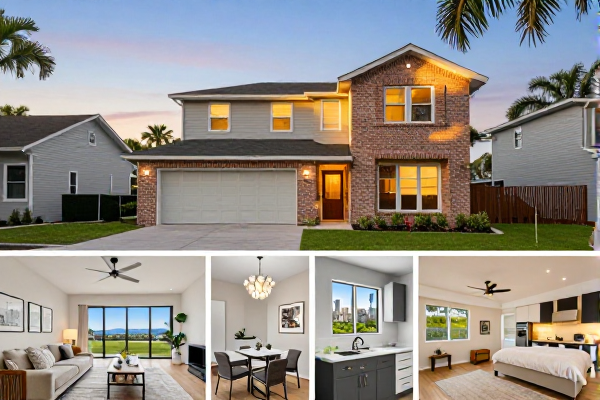
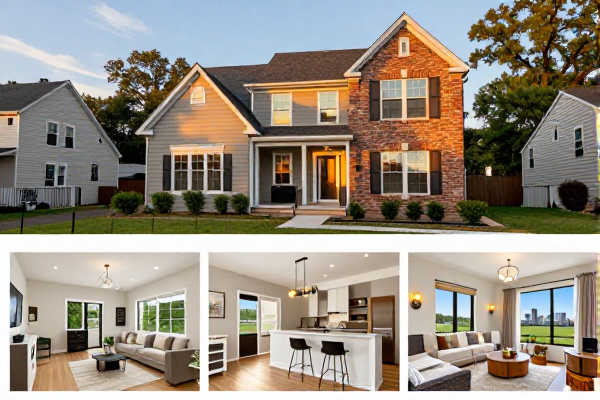
Based on our experience assessment, not all rooms are created equal when it comes to staging. To maximize your budget, focus on the areas that buyers value most. The living room is often considered the heart of the home and should feel warm and inviting. The master bedroom should be a serene retreat, emphasizing space and relaxation. Finally, the kitchen is a major decision-making area; it should be clean, clutter-free, and bright. Investing in these key spaces can yield a higher perceived value than spreading a limited budget too thinly across the entire property.
To get the most out of your staging service and potentially reduce costs, there are crucial steps to take beforehand. This process, often called depersonalization, involves removing family photos, personal collections, and excessive clutter. The goal is to create a neutral canvas that allows buyers to imagine their own lives in the space. Additionally, a deep clean is non-negotiable. This includes washing windows, scrubbing grout, and shampooing carpets. Addressing minor repairs, such as leaky faucets or chipped paint, is also critical, as these small issues can signal neglect to a buyer and undermine the stager's efforts.
In conclusion, home staging is a calculated marketing expense with a predictable potential for a high return. To optimize your investment, focus staging efforts on high-impact rooms like the living room, master bedroom, and kitchen, ensure the home is thoroughly cleaned and depersonalized before the stager begins, and always obtain a detailed contract from your stager outlining all services and costs. This strategic approach can significantly enhance your home's marketability and contribute to a more profitable and efficient sale.