Browse

Log in / Register
 Share
Share
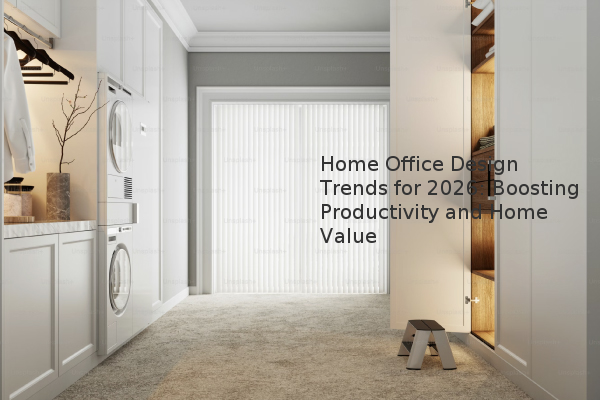
Investing in a functional and stylish home office is a strategic move for both current productivity and future property value. With remote and hybrid work models firmly established, a dedicated workspace has transitioned from a luxury to a standard home feature. A well-designed home office can enhance your work-from-home experience and serve as a significant selling point, appealing to a broad range of potential buyers. This guide outlines the key design trends for 2026 and explains how they contribute to a valuable home asset.
The normalization of remote work has made a dedicated home office a major consideration for homeowners and buyers alike. Based on our experience assessment, homes with purpose-built offices are often perceived as more valuable. This is not just for remote workers; retirees, hobbyists, and students also value a dedicated, quiet space. From a real estate perspective, a functional office moves beyond an afterthought to a legitimate room that contributes to the home's overall square footage and utility. Features like ample natural light, built-in shelving, and a cohesive design are key factors that influence buyer perception positively.
Current trends emphasize personalization and sophistication, moving away from sterile, corporate designs. Two dominant styles are gaining traction for 2026.
The "Green Office" Aesthetic This trend focuses on integrating natural elements to create a calm and inspiring environment. It involves using natural materials like solid wood furniture, incorporating plants in ceramic or stone pots, and choosing textiles with organic textures. The goal is to create a biophilic design that connects the indoor space with the outdoors. To execute this successfully, plants should be well-maintained and arranged in a way that feels intentional rather than cluttered.
The "Luxe Office" Theme In contrast, the luxe theme prioritizes simplicity and high-quality materials. This approach favors elegant wall colors, sophisticated window treatments, and statement pieces like a velvet chair or a minimalist chandelier. The principle is to choose a few high-impact, quality textures and fixtures over numerous inexpensive accessories. This creates an atmosphere of refined professionalism and comfort.
For those looking to make a stronger stylistic impact, several bold trends offer inspiration. Incorporating these features requires a thoughtful approach to ensure the space remains functional.
Beyond aesthetics, certain functional elements are critical for a productive workspace. Proper lighting and good air quality are non-negotiable for maintaining energy and focus. A combination of overhead lighting and task lighting reduces eye strain. Ensuring good air flow, whether through an HVAC system or a quality air purifier, can correct a "sleepy" office environment. The fundamental challenge is to design a space that feels comfortable and personal while still promoting the energy needed to work effectively.
A thoughtfully designed home office is a tangible asset in the real estate market. It demonstrates to potential buyers that the home is adapted to modern living needs. Key features that add value include:
This appeal extends beyond traditional remote workers. Based on our experience assessment, retirees and other buyers also see value in having a dedicated area for managing household affairs, hobbies, or studies.
Ultimately, creating a home office that blends current design trends with practical functionality is a smart investment in your daily life and your property's long-term marketability.