Browse

Log in / Register
 Share
Share

When preparing a home for sale in 2026, understanding buyer preferences linked to gender can be a strategic advantage. Based on industry analysis of modern homebuyer behavior, single men often prioritize upgraded kitchen features and storage, while single women frequently show a stronger preference for single-level, accessible living. These trends are crucial for staging and marketing a property effectively to different buyer demographics. Sellers can leverage these insights to highlight specific features that appeal to their most likely buyer pool.
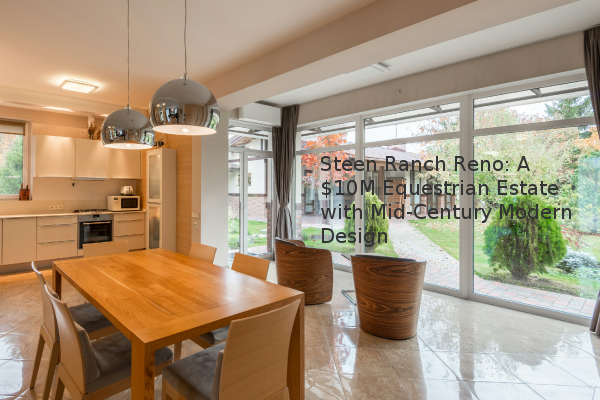
Contemporary market analysis indicates that male buyers often focus on move-in-ready kitchens and ample storage. Key features that resonate include:
These preferences suggest that men are often drawn to homes that offer finished, functional spaces from day one, minimizing the need for immediate renovations. Highlighting these elements in listings and showings can significantly increase a property's appeal to this demographic.
For many single female buyers, practicality and long-term convenience take precedence. A single-level home, often referred to as a ranch-style home, is frequently a top priority. This preference is often linked to concerns about accessibility, safety, and ease of maintenance. Features like fewer stairs reduce future mobility issues and simplify cleaning. Therefore, properties that emphasize a simple, flowing floor plan on one level may have a distinct edge with female buyers.
While historical stereotypes suggested stark divisions, current trends show a notable convergence of preferences, especially among younger buyers. The desire for a "man cave" or a dedicated workshop space is no longer a predominantly male interest. Similarly, high-end kitchens are now a universal selling point. The most significant evolution is the shared importance of flexible living spaces that can adapt to remote work, hobbies, and entertaining. This blurs traditional lines, making it essential for sellers to appeal to a broader set of universal desires: functionality, efficiency, and quality.
The goal is not to stereotype buyers but to make informed decisions about where to invest in pre-sale updates. If a home has a standout kitchen, marketing materials should feature high-quality images of that space, as it appeals to a wide audience with particular emphasis from male buyers. Conversely, if a property is a single-level ranch, that should be a headline feature in the description to attract buyers prioritizing accessibility.
Ultimately, the most effective strategy is to present a well-maintained, move-in-ready home that addresses core functional needs. Understanding these nuanced preferences allows for a more targeted and successful sales approach in the 2026 market.