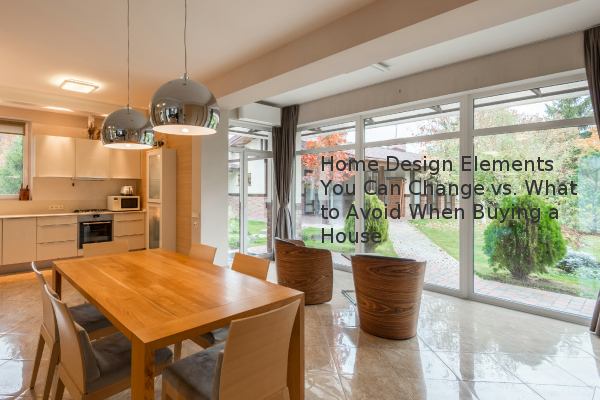
When buying a home, focusing on the right design elements can help you see a property's true potential without being deterred by cosmetic flaws. The key is to distinguish between features that are simple, cost-effective updates and those that require significant, expensive renovations. Based on our experience assessment, quick fixes like paint and light fixtures offer high impact for low investment, while structural aspects like a home's layout and natural light are often permanent and should be non-negotiable if they don't meet your needs.
What Home Design Features Are Easy and Affordable to Change?
Certain undesirable design elements are simple to rectify after closing. By focusing on these cosmetic updates, you can personalize a home without a major financial investment.
- Paint and Cabinet Finishes: Wall color is one of the easiest changes, but don't overlook kitchen cabinets. If the cabinet door style and structure are solid, you can paint or refinish them for a completely new look. This is a cost-effective alternative to a full cabinet replacement.
- Lighting Fixtures: Outdated light fixtures can be replaced to modernize a room's aesthetic and improve functionality. Swapping a single-bulb pendant for a multi-armed chandelier, for example, increases light output. Installing dimmer switches provides further control over ambiance.
- Hardware and Front Door: The home's entrance sets the tone. A dated front door can often be replaced if it's a standard size (typically 80 inches by 36 inches), or simply updated with a fresh coat of paint and new hardware. Similarly, interior doorknobs, cabinet pulls, and plumbing fixtures are relatively inexpensive to swap out.
Which Renovations Are Worth the Investment?
Some fixes require more effort and budget but are considered valuable upgrades that can increase your enjoyment and the home's resale value.
- Refinishing Hardwood Floors: If a home has hardwood floors in good structural condition but in an undesirable stain, refinishing them is a worthwhile investment. This process, which involves sanding and applying a new finish, costs a fraction of replacing the flooring and can dramatically transform a space.
- Updating Countertops and Backsplash: Don't be discouraged by dated kitchen countertops or tile. Replacing these surfaces is less labor-intensive than structural changes and can be managed by professional installation companies. Materials like quartz or granite offer durability and aesthetic appeal.
- Upgrading Plumbing Fixtures and Fireplaces: Replacing faucets, showerheads, and sink consoles modernizes bathrooms and kitchens. Similarly, an unattractive fireplace facade can be updated by painting the brick, adding a new mantle, or installing decorative tile. These changes enhance visual appeal without altering the home's core structure.
What Structural Elements Should You Avoid Changing?
Some aspects of a home are prohibitively expensive or impractical to alter. It is often better to find a property that already meets your needs in these key areas.
- The Kitchen Layout: Changes that involve relocating plumbing, gas lines, or electrical wiring for a new kitchen footprint are complex and costly. When touring a home, assess if the existing kitchen layout supports your daily workflow before considering an offer.
- Natural Light: The amount of sunlight a home receives is determined by its orientation, window placement, and overall design. Adding new windows or enlarging existing ones is a major structural renovation. It's crucial to visit a home at different times of day to evaluate natural light levels before purchasing.
- Storage Space: While closet organizers can improve efficiency, you cannot easily create additional storage space where none exists. Carefully evaluate closets, the garage, and basement storage to ensure the home can accommodate your belongings. A lack of storage is a difficult problem to solve post-purchase.
- Exterior Siding: Changing the material of a home's exterior—for example, from vinyl siding to brick—is a significant financial undertaking. While painting is feasible, a full material replacement involves substantial cost and should be a reason to reconsider a property if you dislike the exterior.
In conclusion, prioritizing your budget and vision is essential. Focus your search on homes with a solid structural foundation and layout that works for you. Cosmetic issues like paint colors or outdated fixtures can be planned into your post-purchase budget. However, if a home lacks natural light, sufficient storage, or has a dysfunctional kitchen layout, it may be wise to continue your search rather than commit to a costly and disruptive renovation.


 Share
Share