Browse

Log in / Register
 Share
Share
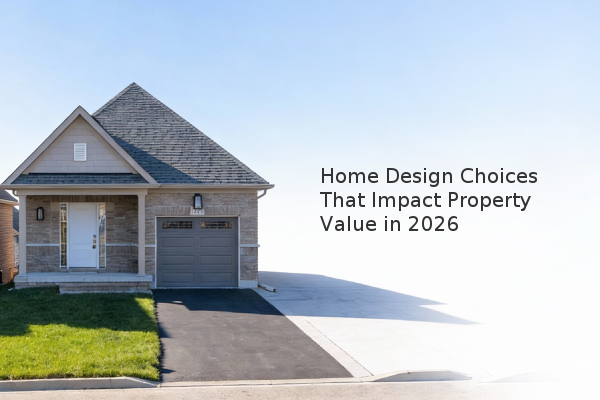
When considering home renovations, the design choices you make can significantly influence your property's market value. Based on our experience assessment, focusing on functional upgrades like adding a bathroom for a guest suite, prioritizing correct furniture scale, and balancing trendy elements with timeless appeal are the most impactful strategies for homeowners in 2026. Avoiding overly personalized or dated design mistakes is equally critical for protecting your investment.
What are the most common design mistakes that can hurt resale value? A frequent error involves furniture that is the wrong scale for a room. Many homeowners select pieces that are too small, often due to a fear that larger items will not fit, which can make a space look cluttered and lack a cohesive, stately presence. Furthermore, leaning too heavily into short-lived trends can date a home quickly. If a visitor can instantly pinpoint the year a house was renovated based on its decor, it often indicates a lack of timeless design elements that appeal to a broader buyer pool. Choosing furniture that properly anchors a room and avoiding an over-reliance on fleeting trends are essential for maintaining broad market appeal.
How can strategic renovations, like adding a bathroom, increase value? Converting underutilized spaces into functional rooms is a high-return strategy. For example, transforming an empty closet behind double doors into a bathroom attached to a studio or office space creates a versatile guest suite. This type of addition significantly boosts a property's functionality and appeal. In 2026, with multi-generational living and work-from-home scenarios remaining common, adding a bathroom to create a self-contained guest suite is a wise investment that addresses modern buyer needs and can provide a strong Return on Investment (ROI), which is the profit on a sale relative to the cost of the improvements.
Are open floor plans still desirable to buyers? While some declare the open floor plan obsolete, demand remains strong for defined yet connected living areas. The key evolution is a move away from a single, vast room encompassing the entire main floor. Today's buyers often prefer a balance: open spaces for gathering, like a kitchen that flows into a family room, but with some separation from other areas such as a formal living room or home office. The contemporary preference is for a hybrid layout that offers both open sightlines and defined zones for privacy.
What is the best approach to incorporating color and trends? The design landscape in 2026 embraces a mix of traditional elements with modern and vintage pieces, a style often referred to as maximalism with layered patterns and textures. While all-white kitchens remain a classic for their bright and clean aesthetic, there is a growing appreciation for color and contrast. The most sustainable strategy is to use bold trends in easily changeable elements like wallpaper or accessories, while keeping major, expensive surfaces like cabinetry and flooring more neutral. Investing in timeless foundations and introducing trends through accents allows for personalization without compromising long-term value.
How can homeowners manage clutter, especially with children? Practical storage solutions are non-negotiable for maintaining a show-ready home. The most effective method involves integrating ample closed storage, such as baskets, drawers, and cabinets, to conceal everyday clutter. Establishing a nightly routine to "put the house to sleep," where all items are returned to their designated storage spaces, helps maintain order. Adequate and accessible closed storage is a key feature for modern families and presents well to potential buyers who prioritize organization.
What is the strategy for accessorizing without creating a crowded look? The goal is curation, not accumulation. Choose a few beautiful, functional items that can be left out, like an artistic salt and pepper shaker, instead of numerous small knick-knacks. When displaying personal photos, edit collections down to a few meaningful frames per shelf or surface. Selecting a limited number of high-quality, functional accessories prevents visual clutter and allows key pieces to stand out, making spaces feel larger and more intentional.
Key takeaways for homeowners: