Browse

Log in / Register
 Share


Strategic home decor and interior design are powerful tools for enhancing your living space and significantly boosting your property's market value. According to industry assessments, certain aesthetic and functional upgrades can yield a high Return on Investment (ROI), making them a critical consideration for homeowners planning to sell. This guide outlines data-driven approaches to maximize your home's appeal to potential buyers.
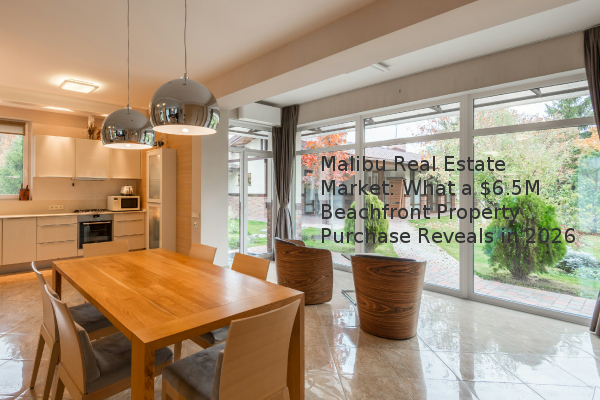
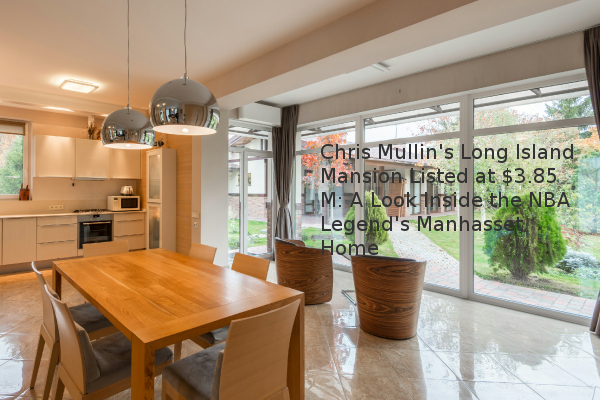
Focusing on cost-effective updates that appeal to the broadest audience delivers the best results. The goal is to create a neutral, move-in-ready canvas that allows buyers to envision their own lives in the space. Staging, the professional practice of furnishing and decorating a home for sale, is often cited by real estate experts as a key driver for faster sales and higher final sale prices.
A strategic approach often involves the following high-impact areas:
The table below illustrates the estimated cost and potential ROI for common decor-focused projects, based on aggregated 2024 industry data:
| Project | Average Cost | Estimated ROI |
|---|---|---|
| Interior Painting (Neutral Colors) | $1,500 - $3,500 | 100% - 150% |
| Updating Light Fixtures | $500 - $2,000 | 75% - 100% |
| Minor Kitchen Updates (Hardware, Faucet) | $1,000 - $2,500 | 80% - 100% |
| Professional Home Staging | $1,500 - $3,500 | 5-15% over list price (on average) |
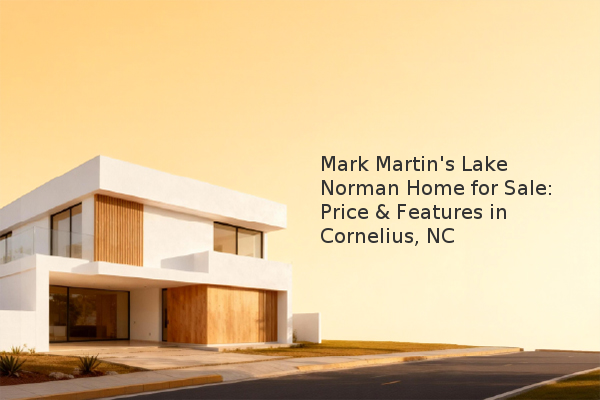
Buyers make emotional decisions, and effective interior design directly influences their perception of a home's value, space, and functionality. A well-designed home feels cared for, which reduces a buyer's fear of hidden maintenance issues. Key principles include decluttering to maximize the appearance of square footage and arranging furniture to improve the flow of each room. The concept of curb appeal—the attractiveness of a property when viewed from the street—is also part of this first-impression equation, emphasizing that design starts before a buyer even steps inside.
While personal style is important for living in a home, it can be a liability when selling. Highly specific or bold design choices, such as wallpaper with dramatic patterns, dark or brightly colored walls, or themed rooms, can deter buyers who cannot see past the current owner's taste. The safest strategy is to depersonalize the space by removing family photos and unique collections, creating a blank slate. This doesn't mean the home should be sterile; rather, it should feel warm, welcoming, and universally appealing.
By applying these home decor and interior design principles, you can strategically enhance your property's marketability and potentially secure a higher sale price. Always base your final decisions on a localized market analysis, as value perceptions can vary by region.