Browse

Log in / Register
 Share
Share
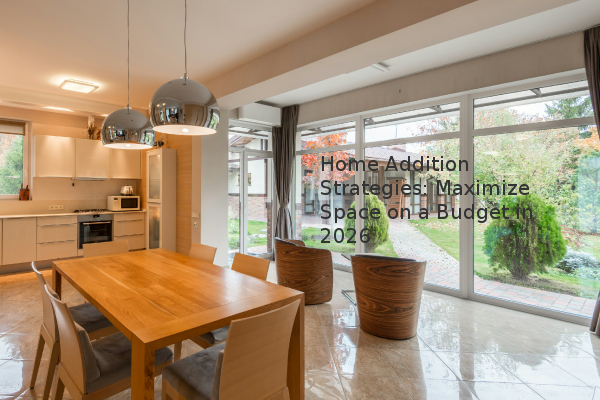
Expanding your home with a well-planned addition is a powerful strategy to gain space without the hassle of moving. For homeowners facing a growing family's needs, a strategic renovation can transform a cramped starter home into a functional long-term residence. Based on our experience assessment, a key consideration is aligning the project's scope with a realistic budget, often starting around $150,000 for a significant bedroom and bathroom addition. The process involves smart design choices that enhance both space and property value, focusing on cohesive aesthetics and multifunctional areas to maximize the investment.
A successful home addition requires meticulous budget management. The primary costs involve construction, materials, and labor. Setting a clear budget from the outset, like the $150,000 figure commonly seen in 2026, helps prioritize essential elements. To avoid overspending, focus on structural necessities first, such as foundation work and roofing. Then, allocate funds for interior finishes. Value engineering—finding cost-effective alternatives that deliver a similar aesthetic—is crucial. For example, choosing engineered quartz over natural stone for countertops can achieve a high-end look while conserving funds for other critical aspects of the build.
The design should seamlessly integrate the new addition with the existing home's architecture. This creates a cohesive flow and avoids a "tacked-on" appearance. For a bedroom, consider built-in storage solutions, like a desk with custom cabinetry, to maximize functionality without consuming floor space. In the bathroom, selecting tiles and fixtures that reflect the home's overall style is essential. If the house has a midcentury modern design language (a style characterized by clean lines and organic forms), a starburst pattern tile for the backsplash can create a harmonious connection. Incorporating a skylight, a window installed in a roof to admit light, is an intelligent solution for introducing natural light into interior bathrooms where wall space for windows is unavailable.
Paint is a cost-effective tool for defining a room's character. Dark, moody colors like mossy green or navy blue can add sophistication and depth, challenging the convention that small spaces must be light. Using a bold color on an accent wall or with black trim can create a dramatic, custom look. Beyond paint, creative material choices infuse personality. Repurposing vintage items, such as using sturdy suitcases as unique drawers or storage bins, adds a narrative element and is often more affordable than custom millwork. For a child's room, installing a dry-erase and magnetic wall provides an interactive, customizable surface that evolves with the child's interests, offering long-term value.
Every design decision should enhance daily living. In a home office nook, ergonomics and adequate lighting are vital for productivity. In a bathroom, proper ventilation is non-negotiable to prevent moisture damage. When natural light from windows is not an option, a skylight is a highly effective alternative. Modern skylight units have advanced significantly, addressing past concerns about leaks with improved flashing and sealing technologies. This brings in valuable natural light, making the space feel larger and more inviting. Additionally, strategic mirror placement in a bathroom can amplify both light and the sense of space.
Successfully expanding your home hinges on a balanced approach that merges thoughtful design with disciplined budgeting. By focusing on cohesive integration with your home's existing structure and prioritizing multifunctional, well-lit spaces, you can achieve a significant increase in livable square footage. The most impactful upgrades are those that address your family's specific needs while making intelligent use of every dollar, ultimately allowing you to stay in the neighborhood and home you love.