Browse

Log in / Register
 Share

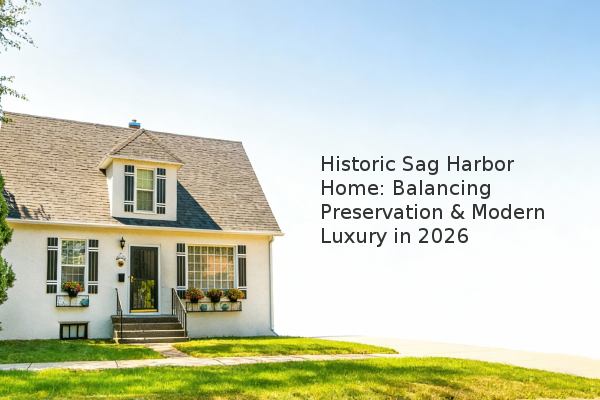
The purchase of a historic home in a district like Sag Harbor requires navigating specific zoning regulations to balance preservation with modern living. A prime example is an 1830s sea captain's cottage, whose recent expansion led to new local zoning laws. This article explores the key considerations for buying and renovating a historic property, based on the experience of this specific transaction. The core conclusion is that proactive research into local historic district rules and potential community sentiment is critical before purchasing a property with renovation plans.
A historic property is often designated by local or national registries due to its architectural significance or connection to important events. The Sag Harbor cottage, originally built for sea captain David Cartwright, is a characteristic example of 1830s architecture from the area's whaling era. Key features that often define such properties include original building materials, specific architectural styles, and a documented history. When a property is located within a designated historic district, any exterior alterations, and sometimes interior changes, are subject to review by a preservation board. This process is designed to protect the community's historical character, but it can add layers of approval and potential delays to renovation projects.
The primary challenge is aligning modern desires with preservation standards. The current owners of the Sag Harbor cottage, Frank Ahimaz and Steven Barr, faced significant backlash from preservationists and town officials when they proposed an addition. This opposition led to delayed permits and even a temporary building moratorium in the historic district. The conflict highlights that community sentiment can be a powerful, unpredictable factor in a real estate transaction. While the owners eventually secured approvals because their permits were filed before the moratorium, the process took years. Their project was instrumental in prompting brand-new zoning regulations in Sag Harbor, making similar large-scale expansions more difficult for future homeowners.
The successful renovation demonstrates how to respectfully update a historic property. The 5,000-square-foot home now offers three levels that blend original charm with contemporary amenities. The layout includes four bedrooms and 4.5 bathrooms, with a master suite featuring gabled ceilings and a gas fireplace. The expansive kitchen is a focal point, equipped with high-end Wolf, Sub-Zero, and Bosch appliances, while retaining historic elements like coffered ceilings and a wood island. The key is to preserve defining architectural details while updating systems and spaces for modern functionality. The home flows into comfortable living areas and out to a back porch and saltwater pool, creating a seamless indoor-outdoor living experience.
In high-demand markets, properties with unique histories stand out, but they come with specific responsibilities. The Sag Harbor cottage was listed for $6.795 million, a price point that reflects its history, location, and recent high-quality renovations. For buyers, it is essential to work with a real estate agent experienced in historic properties and local regulations. Conducting thorough due diligence on any existing preservation covenants or recent zoning changes is a non-negotiable step. Understanding the full scope of what can and cannot be altered will prevent costly surprises and ensure the property meets your long-term lifestyle needs.
Purchasing a historic home is not just a financial investment but also a stewardship of local heritage. Based on our experience assessment, the most practical advice is to engage with the local preservation board early in the due diligence process, factor potential approval timelines into your project schedule, and budget for specialized contractors familiar with historical restoration techniques. This approach helps navigate the complexities and honor the property's unique story.