Browse

Log in / Register
 Share

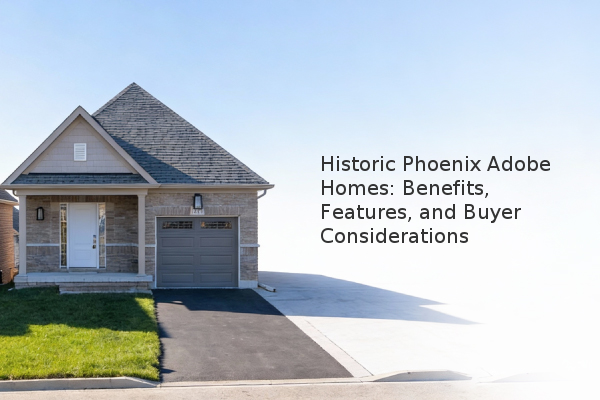
Purchasing a historic adobe home in Phoenix, like the recently contingent property at 529 W Encanto Boulevard, offers a unique blend of classic charm and specific financial advantages, primarily through potential historic property tax benefits. For a buyer, the key considerations are understanding the obligations and advantages of a historic designation, the property's authentic features versus modern upgrades, and the value of its outdoor living spaces. This article provides a clear assessment based on current market standards.
What are the benefits of a historic property tax designation in Arizona? A historic property tax designation can lead to significant financial savings. In Arizona, certain historic properties may qualify for a tax abatement program, which can freeze the property's assessed value for a decade, leading to lower annual tax bills. This is not an automatic benefit and requires the property to be listed on a recognized register, such as the Phoenix Historic Property Register. The savings can be substantial, but new owners must apply for the program and adhere to strict guidelines regarding exterior alterations to maintain the designation. Prospective buyers should verify the property's current designation status and any pending applications with the City of Phoenix's Historic Preservation Office.
What defines the character of a 1920s Phoenix adobe home? Authentic adobe homes from the 1920s, like the one on Encanto Boulevard, are characterized by specific architectural elements. Adobe construction itself refers to buildings made from sun-dried earthen bricks, which provide excellent thermal mass, keeping interiors cool in the desert heat. Key features often include:
This particular home retains these elements while integrating modern kitchen upgrades, such as custom cabinets and granite counters, demonstrating a successful blend of old and new.
How should a buyer evaluate indoor-outdoor living spaces? In Phoenix's climate, outdoor living space is a major value driver. A property with nearly 8,000 square feet of landscaped outdoor area, like this one, functions as an extension of the indoor living area. Key features to assess include:
Conclusion: Key Takeaways for Buyers When considering a historic adobe property in Phoenix, due diligence is paramount. Verify all historic tax benefit claims directly with city officials rather than relying on listing descriptions. Evaluate the condition of original adobe construction and any modern upgrades to understand future maintenance needs. Finally, assess the outdoor space as critically as the interior square footage, as it significantly contributes to the property's lifestyle appeal and market value in 2026.