Browse

Log in / Register
 Share
Share
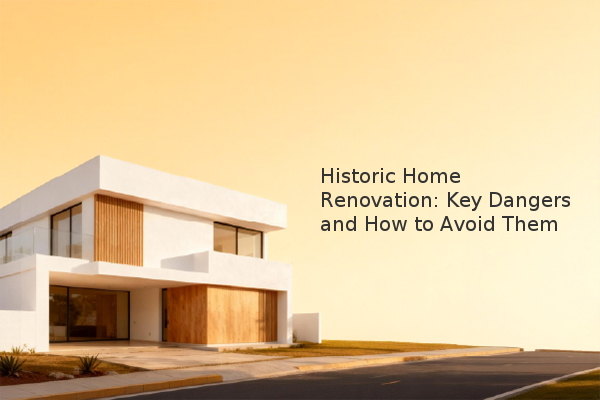
Renovating a historic home requires careful planning to address unique health hazards and preserve original architectural integrity. Based on our experience assessment, the primary dangers include exposure to lead, asbestos, and mold, which pose significant risks during demolition. Furthermore, improperly removing irreplaceable features like original tile or handcrafted doors can permanently diminish the property's value and character. A successful restoration prioritizes safety protocols, uses licensed professionals for hazardous material abatement, and focuses on repairing rather than replacing historic elements.
Older homes often contain building materials that are now known to be hazardous. The most critical dangers to identify before starting any work are:
Engaging a licensed professional to test for these substances is a critical first step. Hazardous material abatement, which involves the safe containment and removal of these dangers, is not a DIY project and requires a certified team to ensure safety.
A common mistake during renovations is the removal of original features in favor of modern, mass-produced replacements. This often diminishes the home's historic value and character. Key elements to preserve include:
Replacing these with generic materials can result in what experts call "white-boxing," where a historic home loses all its defining characteristics and looks like any new construction. The goal is sympathetic restoration, not complete modernization.
While some aspects of renovation can be DIY, certain tasks demand professional expertise. Hiring reputable contractors is non-negotiable for:
A qualified contractor will follow strict safety procedures and have the proper insurance. Before hiring, verify their licenses and ask for references from similar historic renovation projects.
Patience is the most important tool for a historic home restoration. The process is not meant to be fast or easy. Rushing leads to costly mistakes and the loss of historic charm. By prioritizing safety, preserving original details, and knowing when to call in experts, you can successfully renovate an old house while maintaining its unique value and ensuring it is a safe environment for your family.