Browse

Log in / Register
 Share

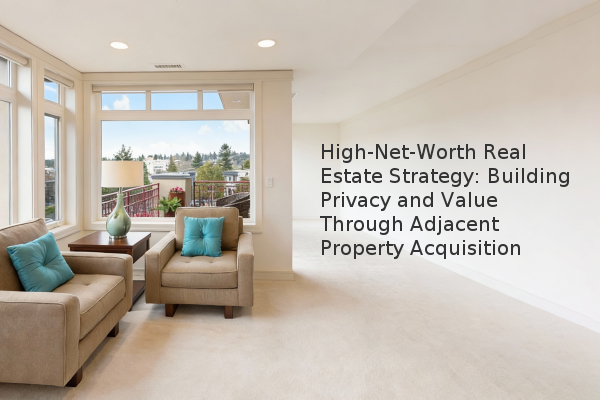
For high-net-worth individuals, particularly celebrities, purchasing adjacent properties is a calculated real estate strategy focused on enhancing privacy, controlling the immediate environment, and consolidating land for long-term value appreciation. Based on our experience assessment, this approach, often seen in exclusive enclaves like Hidden Hills, California, transforms separate parcels into a single, secure compound, offering a level of seclusion that is difficult to achieve otherwise.
What is the Primary Motivation for Buying Neighboring Properties?
The core motivation is privacy. For public figures, controlling who can live or build next door is paramount. By acquiring adjacent land, they create a protective buffer zone. This strategy prevents unwanted development or overlooking sightlines that could compromise security. In guard-gated communities where land is scarce, this is one of the few ways to significantly expand a property's footprint and ensure tranquility. The decision is less about the existing structure on the adjacent lot and more about the land itself. Often, these secondary properties are purchased with the intention of demolishing the existing structure to incorporate the raw land into the main estate, creating a larger, more unified parcel.
How Does This Strategy Function as a Long-Term Investment?
From an investment perspective, consolidating parcels can substantially increase the overall property value. A single, large compound is typically more valuable than the sum of its individual parts. This is especially true in luxury markets where expansive, usable land is the ultimate commodity. The strategy also involves a concept known as assemblage, where multiple adjacent lots are combined to create a developable tract that is more attractive to future buyers. By controlling multiple lots, the owner essentially dictates the future of that micro-area, protecting their primary investment from potential devaluation caused by incompatible neighboring construction. It is a long-term play that prioritizes asset preservation and controlled appreciation over quick returns.
What Are the Key Financial and Logistical Considerations?
This approach requires significant capital and patience. The initial acquisition costs are high, and there are ongoing expenses for property taxes and maintenance on the additional parcel. The process may also involve navigating local zoning laws and obtaining demolition permits. It's crucial to conduct thorough due diligence, which is the comprehensive appraisal of a business or property to confirm all facts, such as financial records, land use restrictions, and title status. Owners must work with real estate professionals who specialize in high-value transactions and understand the unique complexities of land assemblage. The financial outlay is substantial, but for those with the means, the payoff in enhanced lifestyle and secured asset value can be justified.
In which type of markets is this strategy most effective?
This strategy is most effective and commonly observed in established luxury markets where large, vacant lots are rare. Markets like Bel Air, Beverly Hills, and Hidden Hills in California, or certain areas of New York and Florida, are prime examples. In these locations, the only way to acquire more land is often by purchasing what is next door. The strategy is less common in areas where large estates are readily available, as the cost and effort of assemblage may not provide a sufficient return on investment compared to buying a single, larger property from the outset. The decision is highly market-specific.
To implement a similar, scaled strategy, consider these steps:
Ultimately, purchasing adjacent properties is a powerful tactic for those seeking to build a legacy asset. It is a definitive move that prioritizes long-term control and value over short-term convenience.