Browse

Log in / Register
 Share
Share
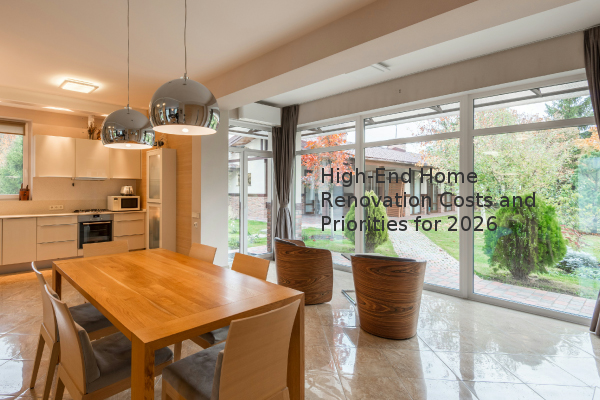
Major home renovation projects in the United States can exceed $3 million, with costs driven by structural changes, luxury finishes, and specialized installations. Based on current market assessments, a comprehensive, high-end renovation can average around $1,000 per square foot, particularly when incorporating custom work and advanced systems. This guide breaks down the key expenses and strategic priorities for homeowners planning a significant property upgrade in 2026.
What are the primary cost drivers in a luxury renovation? The largest portion of a premium renovation budget is typically allocated to structural modifications and high-quality materials. Merging multiple units into a single residence, for example, requires significant architectural and engineering work. Structural changes form the foundation of the project and represent a non-negotiable investment. Following this, the choice of finishes—such as custom cabinetry, premium flooring, and specialty fixtures—constitutes another major cost center. Opting for top-tier materials and skilled craftsmanship ensures longevity but commands a higher price point.
How can green energy upgrades impact a renovation's value? Integrating sustainable technology is an increasingly popular way to enhance a home's efficiency and long-term value. Systems like solar water-heating units or geothermal heat pumps represent an upfront investment, often ranging from tens of thousands of dollars. While costly initially, these green energy units reduce carbon emissions and can lead to substantial savings on utility bills over time. Financing options and potential federal or state tax incentives for energy-efficient homes can also improve the return on this investment.
What should homeowners consider when choosing flooring? Flooring selection involves balancing aesthetics, functionality, and installation method. A floating floor, which is an installation method where planks or tiles lock together via tongue-and-groove joints rather than being nailed or glued to the subfloor, offers several advantages. This method is often ideal for homes with wood-joist foundations as it allows for natural expansion and contraction. It can also be a quicker installation process compared to traditional methods, potentially reducing labor costs.
How do specialized rooms add to a project's scope? Dedicated spaces for wellness or hobbies, such as a yoga studio with a sprung floor, are common in high-end renovations. These specialized rooms require careful planning. A sprung floor, designed to absorb impact, needs specific structural support and materials. Adding such features increases the project's complexity and cost but significantly enhances the daily living experience and property appeal.
What are the essential security and infrastructure upgrades? Modern renovations often include comprehensive security and infrastructure improvements. These can range from advanced alarm systems and video surveillance to more discrete measures like dedicated staircases for staff or security personnel. Ensuring privacy and safety is a paramount consideration, and these systems should be integrated seamlessly into the home's design from the earliest planning stages.
Budgeting for a major renovation requires a clear understanding of both visible finishes and underlying systems. Prioritize structural integrity and energy efficiency as foundational investments. Then, allocate funds for finishes and specialized rooms that align with your lifestyle. Always obtain multiple, detailed quotes from licensed contractors and factor in a contingency of at least 15-20% for unforeseen expenses.