Browse

Log in / Register
 Share

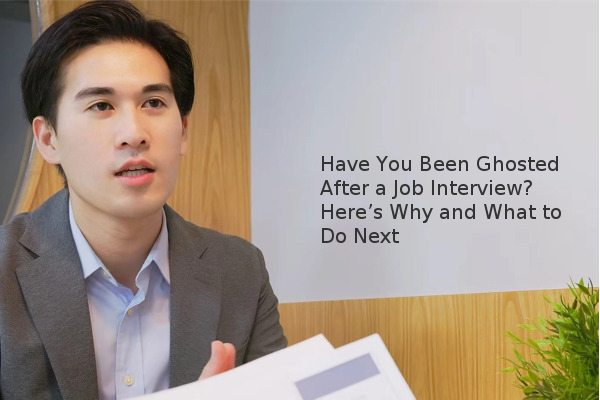
Over 75% of job seekers report being ghosted by a company after an interview. This frustrating experience, where an employer ceases all communication, is a common but manageable part of the modern job search. If you're waiting for a response, the core advice is to send one polite follow-up email and then continue your job search actively.
Candidate ghosting occurs when a company stops responding to a job seeker after an interview, failing to provide any update—be it a rejection, offer, or timeline change. Based on industry surveys, this is a widespread issue, affecting the majority of applicants. It’s important to distinguish between a standard delay and true ghosting, which typically begins after the employer’s stated follow-up timeframe has passed without a word.
When should you start to worry about being ghosted after an interview? The acceptable waiting period varies. After a phone screen, many employers respond within 3 to 10 business days. For a final-round, in-person interview, the process can take up to two weeks or slightly longer, as hiring managers often need to consult with human resources (HR) and secure budget approvals. If you haven’t heard back after this window, it’s reasonable to suspect you may have been ghosted.
What are the common reasons an employer might ghost you? The cause is rarely personal. More often, it's due to internal factors. Common reasons include:
What is the best way to follow up without seeming pushy? A single, professional follow-up email is your most effective tool. This serves to politely remind the hiring manager of your interest and inquire about the status.
Your follow-up email should:
Example Follow-Up Email: Subject: Following Up on [Job Title] Interview
Dear Mr. Jones,
I hope you are well. I wanted to thank you again for the opportunity to interview for the [Job Title] position on [Date]. I remain very interested in this role and was expecting to hear about next steps around this time.
I was wondering if you could provide a brief update on the hiring timeline or if you require any further information from me. I would appreciate any insight as I manage other opportunities.
Best regards, Kate Smith
When is it time to move on? If your polite follow-up receives no response after another week, it is time to officially close that opportunity. Do not take it personally. A company that fails to communicate during hiring may reflect a broader organizational culture. The most productive step is to redirect your energy into applying for new roles.
Key actions to take:
Ultimately, the most effective strategy is to control what you can: your persistence and professionalism. Send a single, polite follow-up, but always keep your job search moving forward until you have a formal offer.