Browse

Log in / Register
 Share

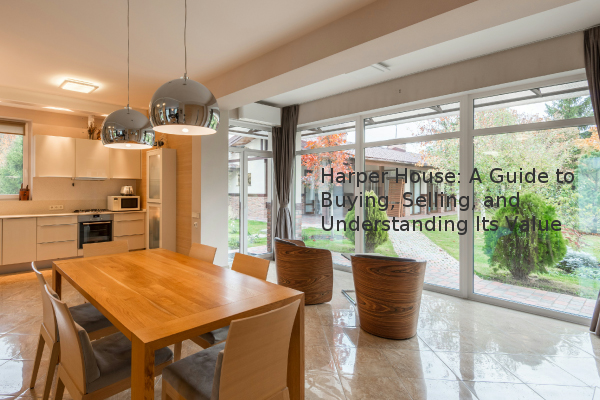
The Harper House represents a specific style of American residential architecture, often characterized by its historical significance and unique design elements. For prospective buyers and sellers, understanding the key features, market value determinants, and transaction process for a property like a Harper House is essential for making informed real estate decisions. This guide provides an objective analysis based on current market trends.
What Defines a Harper House?
A Harper House is not a brand but a term often used to describe a particular model or style of home, potentially built by a specific developer or within a certain period. These homes may share common architectural features, such as a distinct floor plan, exterior detailing, or era-specific construction materials. From a real estate perspective, identifying a home as a Harper House can influence its market value and appeal to a specific segment of buyers who appreciate its character. When evaluating such a property, it is crucial to look beyond the name and assess its fundamental attributes, including square footage, lot size, number of bedrooms and bathrooms, and overall condition.
Key Factors Influencing Harper House Value
The value of any home, including a Harper House, is determined by a combination of location, condition, and market dynamics. Location is the most significant driver; a Harper House in a desirable school district or with proximity to employment hubs will command a higher price. The home's condition is equally critical. This includes the age of major systems like the roof, HVAC (Heating, Ventilation, and Air Conditioning), and plumbing. Original features may hold charm but could require modernization. A comparative market analysis (CMA), which examines recent sales of similar homes in the area, is the standard method for establishing a realistic price.
Here is a simplified table illustrating how different factors can impact the valuation of a property like a Harper House:
| Factor | Positive Impact on Value | Potential Concern |
|---|---|---|
| Location | Desirable neighborhood, top-rated schools | High property taxes, noise pollution |
| Condition | Recently updated kitchen/bathrooms, new roof | Outdated electrical systems, foundation issues |
| Square Footage | Above-average for the area, functional layout | Poor use of space, low ceiling heights |
| Unique Features | Preserved original hardwood floors, architectural details | Non-functional historic elements, high maintenance costs |
The Buying Process for a Harper House
Purchasing a Harper House follows the standard US real estate transaction process. After mortgage pre-approval, you will work with a real estate agent to view properties. Once you find a suitable Harper House, you will submit an offer. A crucial step is the home inspection, a professional assessment of the property's physical condition. For an older home, this is particularly important to identify potential issues like outdated wiring or plumbing. Following a satisfactory inspection, you will proceed to closing, where title insurance is purchased. Title insurance protects the homeowner and lender from financial loss due to defects in the property's title, such as unknown liens or ownership disputes.
Considerations for Sellers
If you are selling a Harper House, highlighting its unique characteristics can be a powerful marketing tool. Emphasize original features, any historical significance, and the quality of construction. However, objectivity is key. Investing in necessary repairs and staging the home to appeal to a broad audience can significantly enhance its marketability. Pricing the home competitively based on a thorough CMA, rather than emotional attachment, is the most effective strategy to attract serious buyers and facilitate a smooth sale.
Key takeaways for engaging with a Harper House property include: conducting a thorough inspection focused on older home systems, leveraging its unique character in marketing while pricing it realistically against comparable sales, and understanding that its value is ultimately tied to fundamental real estate principles like location and condition.