Browse

Log in / Register
 Share
Share
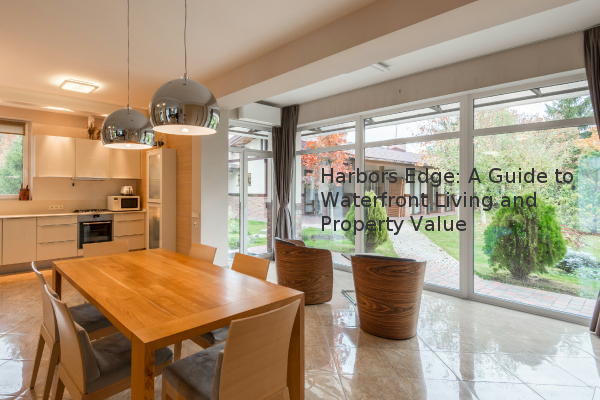
Harbors Edge living represents a premium segment of the real estate market, offering a unique blend of tranquil views, direct water access, and typically strong property value retention. For prospective buyers, understanding the specific considerations of owning a property on the water's edge is crucial. This guide outlines the key features, financial implications, and essential due diligence steps involved in purchasing a home in such a location, focusing on objective factors that influence both lifestyle and investment.
What Defines a Harbors Edge Property? A Harbors Edge property is typically characterized by its immediate proximity to a harbor, often featuring private docks, seawalls, and panoramic water views. These properties can include single-family homes, townhouses, or condominiums. A critical term to understand is Freehold, which means you own the property and the land it sits on outright. This is common for single-family homes. In contrast, a Condo (short for condominium) at a Harbors Edge often involves ownership of the unit itself while sharing ownership of common areas like docks and amenities with other residents. Each structure has distinct implications for maintenance responsibilities and costs, which are vital for budgeting.
Financial Considerations and Long-Term Value The allure of waterfront living comes with a distinct financial profile. Properties at the harbor's edge generally command a significant price premium compared to inland properties. This is due to the scarcity of waterfront land and high demand. Additionally, owners should anticipate higher Property Tax bills, as assessed value is often influenced by the water frontage. Insurance is another major factor; standard homeowner's insurance may not suffice. A flood insurance policy through the National Flood Insurance Program (NFIP) is typically a mandatory requirement for lenders and a prudent financial safeguard. The table below outlines common cost comparisons.
| Cost Factor | Harbors Edge Property | Inland Comparable Property |
|---|---|---|
| Purchase Price Premium | 25-50%+ | Baseline |
| Annual Property Tax | Higher | Standard |
| Insurance (Home + Flood) | Significantly Higher | Standard |
| Seawall/Dock Maintenance | Annual cost | Not Applicable |
Key Due Diligence for a Waterfront Purchase Before committing to a Harbors Edge home, thorough due diligence is non-negotiable. A standard home inspection is not enough. You must commission a specialized marine structural inspection to assess the condition of the dock, seawall, and bulkhead. Any repair or replacement can cost tens of thousands of dollars. Furthermore, investigate any riparian rights, which are the legal rights of a landowner to access and use the adjacent body of water. These rights can vary significantly by state and local municipality. It is also essential to review local zoning laws regarding dock usage, boat size limits, and future construction permissions.
Weighing the Lifestyle Benefits Against Practicalities The lifestyle benefits are a primary draw. The convenience of boating from your backyard, stunning sunrises or sunsets over the water, and a generally peaceful environment are significant advantages. However, practical challenges exist. Properties are more exposed to weather elements, leading to accelerated wear on exterior materials. Moisture and salt air can increase maintenance frequency for paint and metal fixtures. Accessibility during seasonal storms and potential for higher insect populations are also factors to consider as part of daily living.
Purchasing a property at the harbor's edge is a major decision that blends an aspirational lifestyle with significant financial and maintenance considerations. Prospective buyers must prioritize a specialized marine inspection, secure comprehensive flood insurance, and fully understand their riparian rights. By focusing on these objective steps and budgeting for the associated costs, you can make an informed decision about investing in this unique segment of the real estate market.