Browse

Log in / Register
 Share
Share
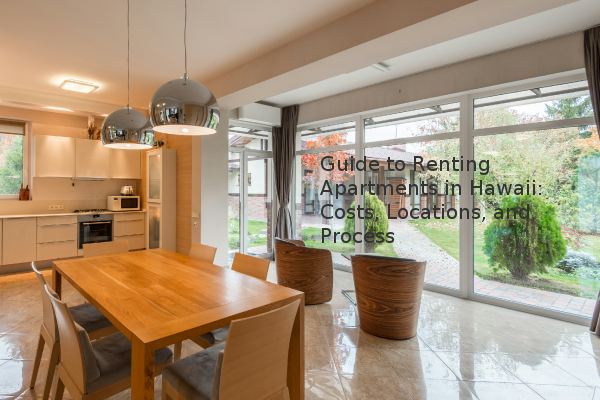
Renting an apartment in Hawaii requires a clear understanding of the unique market dynamics, including significantly higher-than-average costs, diverse location options from urban Honolulu to neighbor islands, and a competitive application process. The median rent for a one-bedroom apartment in Hawaii typically ranges from $1,800 to $2,800 per month, heavily influenced by the specific island and proximity to amenities. Successfully securing a rental hinges on preparing essential documents like proof of income and references in advance. This guide provides a factual overview to help you navigate the search and leasing process.
Hawaii's cost of living is among the highest in the United States, and rental prices reflect this. Beyond the base rent, prospective tenants must budget for additional monthly fees. Security deposits are often equivalent to one month's rent, and some properties may charge non-refundable cleaning fees or pet deposits if applicable. It's also critical to inquire about utility inclusions; many rentals require tenants to cover electricity, water, and internet separately. To manage these expenses, a common guideline is that your gross monthly income should be at least three times the monthly rent. Creating a detailed budget that accounts for all potential costs is an essential first step.
| Island | Average Rent (1-Bedroom) | Key Market Characteristic |
|---|---|---|
| Oahu | $2,000 - $2,800 | High demand in urban Honolulu (Kaka'ako, Ala Moana) |
| Maui | $2,200 - $3,000+ | Premium prices in resort areas (Kihei, Lahaina) |
| Kauai | $1,800 - $2,500 | Limited inventory, slower pace |
| Big Island | $1,500 - $2,200 | Most varied and affordable options (Kona vs. Hilo) |
Your choice of island and neighborhood will profoundly impact your daily life and rental budget. Oahu, home to Honolulu, offers the most urban environment with extensive job opportunities and amenities. Neighborhoods like Kaka'ako are known for modern high-rise apartments, while areas like Manoa offer a more suburban feel. Conversely, the neighbor islands—Maui, Kauai, and the Big Island—provide a quieter, more residential lifestyle, though often with fewer large-scale rental complexes and longer commutes. When evaluating a location, consider your commute time, access to groceries and healthcare, and the general vibe of the community. Visiting at different times of the day can provide a clearer picture of the area's noise levels and activity.
The rental market in Hawaii is competitive, so being prepared is crucial. Landlords typically require a completed application, proof of income (recent pay stubs or an employment offer letter), and photo identification. You will also need to provide references from previous landlords. Many property managers will conduct a credit and background check, for which there may be a non-refundable application fee. Due to high demand, desirable apartments can receive multiple applications quickly. Having your financial documents organized and being ready to submit an application promptly can improve your chances. It is also advisable to review a sample lease agreement beforehand to understand the terms, including policies on guests, maintenance, and early termination.
The key to a successful apartment search in Hawaii is thorough preparation and realistic budgeting. Start your search well in advance, be ready to act quickly when you find a suitable property, and meticulously review all lease documents before signing. By understanding the costs, carefully selecting a location that matches your lifestyle, and navigating the application process efficiently, you can find an apartment that meets your needs in the islands.