Browse

Log in / Register
 Share
Share

Greenline loans, a type of Energy-Efficient Mortgage (EEM), allow homebuyers and homeowners to finance energy-saving upgrades without a large down payment by rolling the costs into their primary mortgage. Based on our experience assessment, these loans can increase a home's value by 3-7% while significantly reducing utility bills, making them a strategic financial tool in the 2026 real estate market. Supported by data from the U.S. Department of Housing and Urban Development (HUD), EEMs are gaining traction as homeowners seek to mitigate rising energy costs. This guide provides a clear, objective breakdown of how Greenline loans function, their eligibility requirements, and their tangible benefits.
A Greenline loan is not a separate loan product but an add-on to a standard mortgage, such as an FHA, VA, or conventional loan. It is formally known as an Energy-Efficient Mortgage (EEM). The core principle is simple: lenders allow borrowers to borrow additional funds—beyond the home's purchase price—to pay for cost-effective energy improvements. This is possible because lenders recognize that the money saved on future energy bills can offset the slightly higher mortgage payment. The improvements must be deemed cost-effective through a Home Energy Assessment, a professional audit that identifies upgrades like insulation, high-efficiency HVAC systems, or solar panels. The assessment's projected savings validate the additional loan amount.
Table: Common Upgrades Financed by Greenline Loans
| Upgrade Category | Examples of Improvements |
|---|---|
| Building Envelope | Attic/wall insulation, energy-efficient windows, air sealing |
| Heating & Cooling | High-efficiency furnace, heat pump, programmable thermostat |
| Renewable Energy | Solar panel installation, solar water heaters |
| Appliances & Systems | Energy Star-rated appliances, water-saving fixtures |
The advantages of utilizing a Greenline loan extend beyond environmental consciousness. The most immediate benefit is reduction in monthly utility expenses. With energy prices fluctuating, locking in lower consumption provides long-term financial predictability. Secondly, these upgrades directly enhance property value. A home with a modern, efficient HVAC system and superior insulation is more attractive to future buyers, as confirmed by 2026 data from the National Association of Realtors highlighting buyer preference for "move-in ready" homes with low operating costs. Furthermore, because the upgrade costs are integrated into the mortgage, the interest is typically tax-deductible (consult a tax advisor for specifics), and the loan term is stretched over 15-30 years, making payments more manageable than using a credit card or personal loan.
Eligibility for a Greenline loan is generally tied to the requirements of the underlying mortgage (FHA, VA, etc.). The home itself must qualify. Owner-occupants of single-family homes, and in some cases 2-4 unit properties, are typical candidates. The key determinant is the energy study. The proposed improvements must be cost-effective, meaning the total cost of the improvements cannot exceed the anticipated energy savings over the life of the measures. The borrower's debt-to-income (DTI) ratio must still fall within the lender's acceptable limits, even with the added loan amount for improvements. In many cases, the energy savings can help a borrower qualify by effectively lowering their overall DTI.
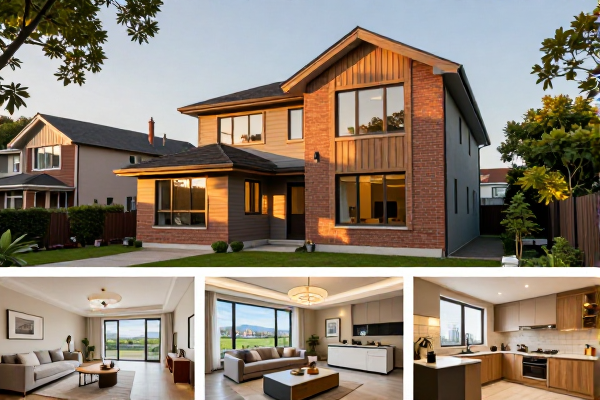
The process for obtaining a Greenline loan is methodical. First, you apply for a standard mortgage and get pre-approved for a primary loan amount. Next, you schedule a Home Energy Assessment with a certified auditor, who will provide a detailed report recommending specific upgrades and their projected savings. You then submit this report to your lender. The lender will review the recommendations and determine the additional loan amount to be added to your mortgage. This entire amount is then factored into the final mortgage underwriting and closing process. The funds for the upgrades are typically held in an escrow account and disbursed to the contractors once the work is completed and verified post-closing.
Based on our experience assessment, homeowners in 2026 should view Greenline loans not as an extra expense but as a strategic investment. The dual benefit of increased home value and reduced operating costs creates a compelling financial case. Before pursuing this path, secure a Home Energy Assessment to understand the potential savings specific to your property and consult with lenders experienced in Energy-Efficient Mortgages to ensure a smooth process. This proactive approach to home financing can lead to substantial long-term savings and a more comfortable, sustainable living environment.