Browse

Log in / Register
 Share

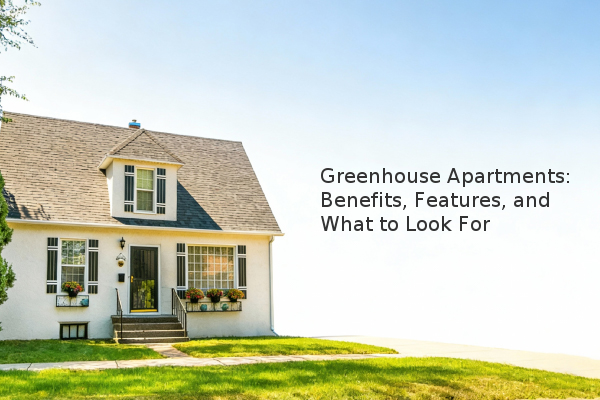
Greenhouse apartments represent a growing niche in the multifamily housing market, characterized by their integration of light-filled, plant-friendly spaces such as sunrooms, atriums, or dedicated greenhouse windows. These features are designed to enhance well-being by connecting residents with nature, a concept known as biophilic design. For renters and buyers prioritizing light, air quality, and a unique living environment, understanding the advantages and practical considerations of these properties is essential for making an informed decision.
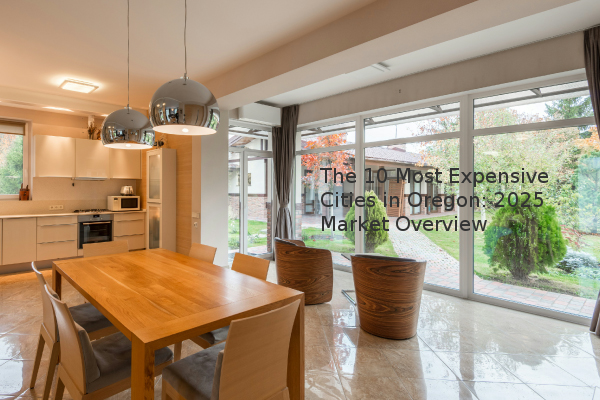
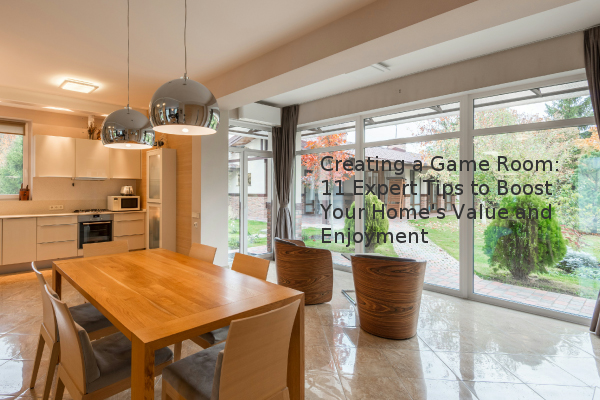
The term "greenhouse apartment" is not a strict architectural classification but rather a descriptive term for a residential unit that incorporates significant glazed (glass) elements to create a bright, plant-hospitable environment. This can manifest in several ways. Some buildings are modern constructions with entire walls of windows, while others are conversions of historic greenhouses or industrial buildings with large skylights. The key feature is the abundance of natural light, which supports not only plant life but also creates a more vibrant and uplifting atmosphere for residents. It's important to distinguish these from standard apartments with a few windows; the defining characteristic is the intentional design around light exposure and often, integrated planting beds or elevated growing spaces.
Key features to look for include:
The appeal of these properties extends beyond their aesthetic charm. The primary benefit is the significant improvement in mental and physical well-being. Ample natural light helps regulate circadian rhythms, which can improve sleep quality and boost mood. For individuals who work from home, a bright, nature-filled space can reduce stress and increase productivity. Furthermore, the ability to grow herbs, vegetables, or flowers year-round provides a rewarding hobby and access to fresh produce, potentially reducing grocery bills.
From a practical standpoint, a well-designed greenhouse space can also impact utility costs. During colder months, the sun's rays can passively heat the apartment, reducing reliance on heating systems. However, this must be balanced with potential solar heat gain in the summer, which can increase cooling costs if not managed with proper shading or ventilation. Based on our experience assessment, the net effect on energy bills is highly dependent on the apartment's orientation, the quality of the windows, and the local climate.
| Benefit | Consideration |
|---|---|
| Improved Mood & Productivity | Requires mindful placement of workspaces to avoid glare. |
| Year-Round Gardening | May involve additional responsibility for plant maintenance. |
| Passive Solar Heating | Potential for increased cooling costs in summer without shading. |
| Unique Aesthetic Appeal | Can be a differentiating factor that supports property value. |
While the benefits are compelling, prospective residents must carefully evaluate several factors. Temperature control is a primary concern. Glass is a poor insulator, so these apartments can become very hot in the summer and cold in the winter if not properly constructed. Inquire about the building's HVAC system and its capacity to handle the unique thermal load of the space. Additionally, direct sunlight can cause fabrics, artwork, and wood finishes to fade over time, so using window films or UV-blocking curtains may be necessary.
Another critical consideration is maintenance. Condensation on large glass surfaces can be an issue, leading to potential mold or mildew if not regularly wiped down. Leaks are another potential risk; the integrity of seals and frames must be inspected regularly. It is crucial to understand who is responsible for this maintenance—the tenant or the property owner—as repairing custom glass features can be costly. Always review the lease agreement or homeowner's association (HOA) covenants for specific clauses related to the greenhouse area.
When touring a greenhouse apartment, go beyond the initial "wow" factor and conduct a practical assessment. Visit at different times of the day to understand how the light changes and whether there is problematic glare. Test the temperature controls and ask about the average utility costs for the unit. Physically inspect the windows and glass structures for any signs of damage, condensation between panes (indicating seal failure), or water stains. Don't hesitate to ask the landlord or seller pointed questions about the building's history with leaks, the age of the windows, and the specifics of the maintenance protocol for the greenhouse features.
In summary, greenhouse apartments offer a unique and health-conscious living experience but require a diligent evaluation of practicalities. The advantages of abundant light and connection to nature are significant, yet they come with responsibilities related to temperature management and upkeep. Prospective residents should prioritize units with modern, energy-efficient glazing, clear maintenance guidelines, and a layout that mitigates the challenges of solar heat gain. By thoroughly vetting these factors, you can fully enjoy the benefits of this distinctive housing option.