Browse

Log in / Register
 Share
Share

When considering a historic property like a Georgian Revival home, understanding its architectural value and potential maintenance needs is crucial for making an informed purchase decision. Based on our experience assessment, these homes offer significant charm and historical appeal, but require a specialized approach to preservation and budgeting. Proactive inspection and understanding the costs associated with maintaining period-specific features are the most critical steps for a buyer.
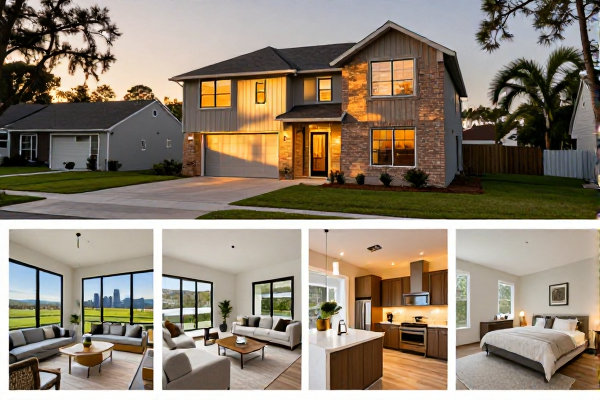
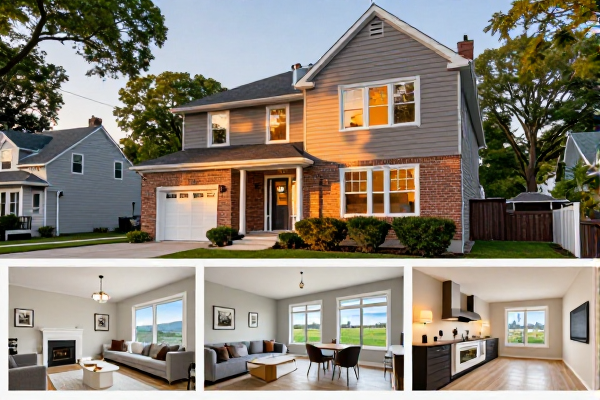
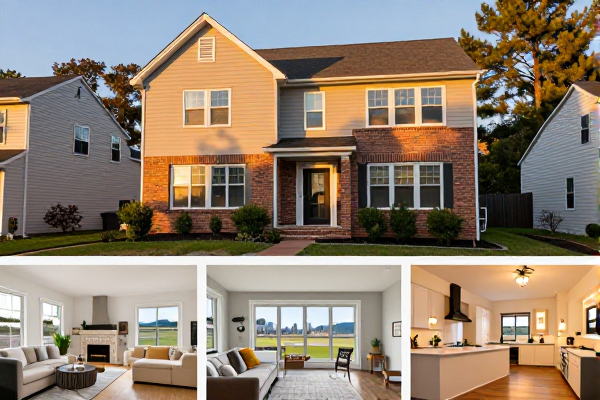
Georgian Revival is a residential architectural style that draws inspiration from the classic Georgian period of the 18th century, characterized by symmetry, order, and proportion. Key features often include a rectangular, box-like shape, a side-gabled roof, and a decorative crown or pediment over the front door. Multi-paned, double-hung windows aligned symmetrically are another hallmark. In the context of a 1937 Los Feliz home, these elements were often blended with later stylistic touches, such as the Art Deco-style tiled foyer and wrought-iron banisters mentioned in the original report, creating a unique hybrid. Recognizing these features helps buyers assess the property's historical authenticity and potential restoration requirements.
A standard home inspection is not sufficient for a property with historical significance. It is essential to hire an inspector with specific experience in pre-World War II construction. Key areas of focus should include the foundation, the structural integrity of features like solid marble staircases, and the electrical and plumbing systems, which may have been updated over the decades but could still contain outdated components. The presence of features like coffered ceilings, wainscoting, and custom wall treatments requires a careful check for water damage, pest infestation, or dry rot. An inspection will provide a realistic overview of immediate and long-term maintenance costs, which can be substantially higher than for a newly built home.
The allure of a historic home often lies in its magnificent details, such as marble countertops, wide-plank hardwoods, and original millwork. Preserving these elements requires a specialized budget. Buyers should anticipate that repairs and replacements will be more costly due to the need for custom craftsmanship and period-appropriate materials. For example, restoring original windows or replicating custom moldings involves skilled labor. It is advisable to obtain quotes from contractors familiar with historic preservation before finalizing a purchase. Creating a dedicated contingency fund of at least 10-15% of the home's purchase price for unforeseen historical restoration work is a prudent financial strategy.
The investment potential of a historic home is multifaceted. While they can appreciate significantly due to their unique character and scarcity, their marketability can be narrower than that of a modern property. Value is often tied to the successful preservation of its architectural integrity. According to recent data on historic preservation, well-maintained period homes in desirable neighborhoods like Los Feliz often hold their value exceptionally well, appealing to a niche market that values craftsmanship and history. However, this is dependent on consistent, high-quality upkeep. Potential buyers should weigh the emotional and historical value against the practicalities of maintenance and the specifics of the local real estate market.
In conclusion, purchasing a Georgian Revival home is a decision that blends passion with practicality. The key to a successful purchase is conducting a specialized historic property inspection and creating a comprehensive budget that includes preservation costs. By appreciating the architectural details while realistically planning for their upkeep, a buyer can ensuresuch a property remains a sound investment and a beautiful home for years to come.