Browse

Log in / Register
 Share
Share
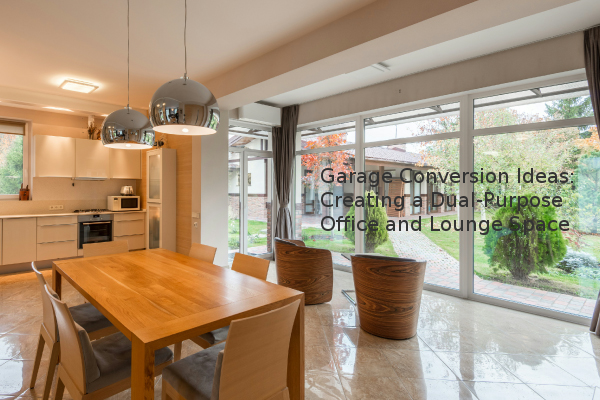
Transforming an underutilized garage into a functional and stylish living area is a significant home improvement project that can increase your property's value and utility. Based on our experience assessment, a successful conversion hinges on strategic design choices that address both aesthetics and practical use. Key considerations include selecting durable, low-maintenance materials, integrating smart technology discreetly, and creating a seamless flow between indoor and outdoor areas. Proper planning and material selection are critical for a garage conversion that meets long-term needs.
The exterior cladding sets the tone for the entire project and must be both visually appealing and durable. One sophisticated option is thermally modified wood, such as spruce. Thermally modified spruce is a sustainable wood product that has been heated to high temperatures in a kiln, which enhances its stability and resistance to decay and insects. This process gives the wood a rich, dark color and a textured finish without the need for chemical treatments or charring. Complementing the wood with modern elements like energy-efficient LED lighting, minimalist planters, and a sleek glass entry door can create a striking and contemporary facade that boosts curb appeal.
Modern homeowners often seek technology that enhances convenience without dominating the visual space. Instead of standard wall-mounted televisions, consider a pop-up TV mechanism installed within a kitchen island or countertop. This allows a large-screen TV to rise out of the counter for use and retract when not needed, maintaining a clean, uncluttered look. Similarly, an induction cooktop can be flush-mounted into a porcelain countertop. Induction cooking uses electromagnetic energy to heat cookware directly, meaning the surrounding counter surface remains cool to the touch. This creates a continuous, seamless prep area that is easy to clean and eliminates the need for annual sealing, unlike natural stone.
Flooring must be chosen based on the expected use of the space. While hardwood is a popular choice for its warmth, it may not be ideal for an area that will see heavy foot traffic or serve as an entry point from outdoors. A highly durable alternative is polished and treated concrete. The existing concrete slab can be ground, polished, and sealed with a penetrating guard to create a seamless, stone-like finish that is exceptionally resistant to wear, moisture, and stains. This option is not only cost-effective but also provides an industrial-chic aesthetic that pairs well with modern design elements.
Infusing a space with personal touches ensures it feels unique and welcoming. A effective method is to incorporate a color scheme that reflects your interests, such as the colors of a favorite sports team. This can be achieved subtly through accent features. For example, using black and silver marble tiles in a bathroom or a backsplash introduces team colors in a sophisticated, non-literal way. This approach adds personality without making the design feel thematic or overwhelming, creating a space that is both stylish and personally significant.
A garage conversion should not feel isolated from the rest of the property. Creating a strong indoor-outdoor connection expands the usable space and enhances natural light. Replacing a solid side door with a full-length glass model is a effective first step. For the adjoining patio, avoid a basic concrete slab. Instead, opt for large-format porcelain pavers arranged in a geometric pattern. Porcelain is highly resistant to fading, scratching, and frost, making it a low-maintenance and long-lasting option. A well-designed patio with ample space for seating becomes a natural extension of the interior room, perfect for entertaining.
To ensure a successful garage conversion, focus on durable materials like thermally modified wood and porcelain, integrate technology discreetly with pop-up TVs and induction cooktops, choose practical flooring such as polished concrete, add personal style through color accents, and strengthen the indoor-outdoor flow with a paved patio. These elements combine to create a versatile space that is both a functional office and a comfortable retreat, ultimately adding significant value to your home.