Browse

Log in / Register
 Share
Share

Converting a garage into an Accessory Dwelling Unit (ADU) is a powerful strategy for generating significant rental income. Based on our experience assessment, a well-executed garage conversion can command monthly rents upwards of $3,500, depending on the local market. This process, however, requires careful planning to avoid costly mistakes. Key considerations include hiring qualified professionals, selecting durable materials, and strategic staging to maximize your return on investment. This guide outlines the essential steps for a profitable garage-to-ADU conversion.
While tackling renovations yourself may seem cost-effective, improper execution can diminish the property's value and rental appeal. Unprofessional work, such as incorrectly installed kitchen cabinets leading to exposed holes or unsafe electrical outlets, can deter quality tenants and reduce potential income.
The more prudent approach is to hire licensed experts. A professional contractor ensures the work meets building codes and quality standards. Although the initial investment is higher, the long-term payoff in terms of higher rental income and fewer maintenance issues is substantial. For an ADU, which is a significant financial asset, professional quality is not an area for compromise.
Selecting materials for a rental property involves balancing upfront cost with long-term durability and maintenance. A common dilemma is choosing between natural wood and composite materials for features like decking.
Investing in high-quality, low-maintenance materials like composite decking is a smarter long-term financial decision for a rental property. This principle extends to interior finishes. For example, countertops made from recycled glass offer the aesthetic appeal of marble with the durability of quartz, and they are also environmentally friendly and easy to maintain.
A common error is purchasing fixtures, especially kitchen cabinets, before finalizing the room's dimensions. This can result in ill-fitting elements, such as a large, unattractive gap between the cabinets and the ceiling. While such a mistake might be acceptable in a low-budget scenario, it detracts from a premium rental's finished look.
Always complete precise measurements of the space before ordering any cabinets or major appliances. Proper planning ensures a custom, built-in appearance that appeals to tenants expecting a high-quality living environment. A seamless installation makes the entire unit feel more valuable and professionally managed.
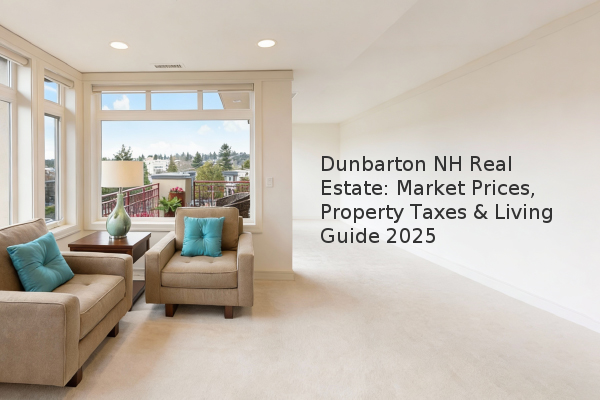
Even though tenants will use their own furniture, staging the vacant ADU is a critical step. Staging helps potential renters visualize the space as a functional and desirable home. It demonstrates the potential for comfort and style, making the property stand out in competitive rental markets.
A well-staged unit, featuring furniture, artwork, and decor, creates an emotional connection. It conveys that the place is "finished, refined, and clean," which are top priorities for tenants. Furthermore, if you decide to rent the ADU as a furnished unit, the cost of the furniture can be quickly recouped through higher monthly rent.
To successfully convert a garage into a high-income rental ADU, focus on strategic decisions that enhance long-term value. Prioritize professional installation over DIY to ensure quality. Invest in durable, low-maintenance materials to reduce future costs. Precisely plan layouts before purchasing fixtures. Finally, do not underestimate the power of professional staging to attract tenants quickly and justify a premium rental price. By following these steps, your garage conversion can become a significant and sustainable source of rental income.