Browse

Log in / Register
 Share

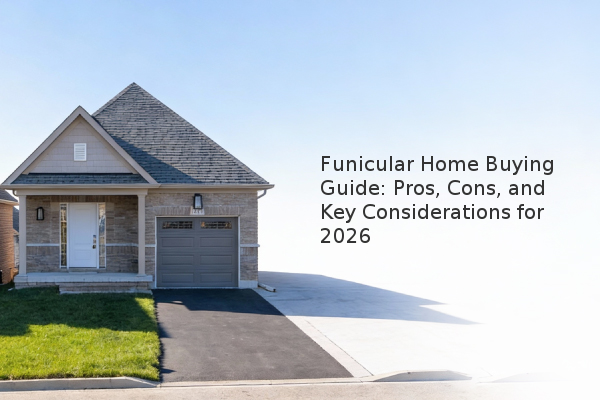
Buying a home with a unique feature like a funicular requires careful evaluation of its maintenance, insurance, and long-term value impact. While such properties offer distinctive benefits, including unparalleled accessibility and novelty, they also introduce specific considerations not found in standard real estate transactions. Based on our experience assessment, the decision hinges on a thorough understanding of associated costs, safety certifications, and potential buyer appeal upon resale.
What is a Funicular and How Does it Function in a Residential Property? A funicular is a cable railway system, similar to an elevator but operating on an inclined slope, used to transport people and goods. In a residential context, like the San Diego home described, it serves as a private alternative to climbing a 62-step staircase, directly accessing the front door from the street level. This type of property feature is rare and often custom-installed during construction. Prospective buyers should verify the system's maintenance records and current operational certification from a licensed elevator company, as ongoing professional servicing is critical for safety and functionality. The capacity of such a system, often accommodating up to six people, adds significant convenience but also represents a specialized component of the home's infrastructure.
What are the Primary Advantages of a Home with a Funicular? The most immediate advantage is accessibility. For individuals with mobility concerns or for simply managing groceries and luggage, the funicular provides a direct and effortless solution. Furthermore, this unique amenity can be a major selling point, setting the property apart in a competitive market. Homes with such distinctive features often occupy premium lots, offering spectacular views that are a direct result of the elevated, sometimes challenging, terrain. The novelty and "wow" factor contribute to a unique living experience that is not easily replicated, potentially attracting a specific niche of buyers when it comes time to sell.
What Key Factors Should a Buyer Consider Before Purchase? Several critical factors demand attention before committing to a home with a custom conveyance system. First, obtain a detailed report on maintenance history and projected future costs from the current elevator service company. Second, consult with your home insurance provider to understand how the funicular affects your premium and what specific coverage is required. Third, consider the potential need for interior updates; a lower listing price may reflect the cost of modernizing an older home, such as creating an open-concept kitchen by removing non-load-bearing walls. Finally, research local property tax assessments to see if unique amenities influence the valuation.
How Does a Unique Feature Impact Resale Value and Marketability? The impact on resale value can be complex. While a well-maintained funicular can be a strong asset, it may also narrow the pool of potential buyers. Some may see it as an unnecessary complication or a maintenance liability. The ultimate market value is heavily influenced by the property's overall condition, location, and views, with the funicular acting as a secondary, though significant, feature. Based on our experience assessment, pricing the home appropriately—acknowledging both the unique amenity and any needed updates—is crucial for a successful sale. The property's appeal will likely be strongest for buyers who specifically value convenience and unique architectural elements.
Purchasing a home with a funicular is a decision that blends practical living with a unique property feature. The essential steps involve a specialized inspection, a clear understanding of ongoing maintenance costs, and a realistic assessment of its appeal to future buyers. While the views and accessibility are major benefits, a successful purchase depends on thorough due diligence to ensure this unique asset enhances your lifestyle without becoming a financial burden.