Browse

Log in / Register
 Share
Share
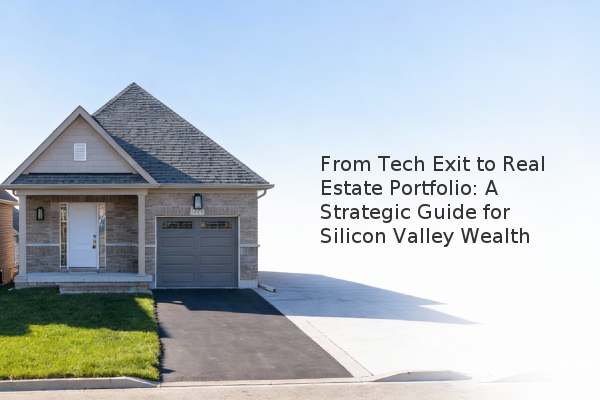
For technology entrepreneurs and engineers achieving early financial independence, strategically allocating capital into real estate represents a powerful method for wealth preservation and long-term growth. This transition from a successful tech exit to building a substantial real estate portfolio requires a clear understanding of market dynamics, investment strategies, and tax implications. Based on our experience assessment, directly deploying capital into investment properties can provide stable cash flow, significant tax advantages, and a tangible hedge against market volatility, effectively creating a second act for wealth generated in the digital economy.
After a liquidity event, such as an acquisition or IPO, diversifying assets beyond company stock is a critical first step. Real estate offers a non-correlated asset class that can protect and grow wealth. Unlike the high-risk, high-reward nature of startups, investment properties can generate predictable passive income through rental yields. Furthermore, real estate provides unique tax benefits, including depreciation deductions and 1031 exchanges, which allow investors to defer capital gains taxes by reinvesting proceeds from one property into another. For someone accustomed to building products, real estate offers a tangible asset with leverage potential, where a standard 20-25% down payment controls 100% of the property's value and appreciation.
Understanding different investment approaches is crucial for aligning real estate activities with financial goals and risk tolerance. The two primary paths are active and passive investing.
The following table outlines key considerations for active investment property types:
| Property Type | Typical Down Payment | Key Management Consideration | Ideal For |
|---|---|---|---|
| Single-Family Rental | 20-25% | Tenant relations & maintenance | First-time investors, stable cash flow |
| Multi-Family (2-4 Units) | 20-25% | Multi-tenant management, higher cash flow | Scaling a portfolio, house-hacking |
| Commercial (e.g., Retail) | 25-30%+ | Longer leases, tenant creditworthiness | Investors seeking long-term stability |
The adage "location, location, location" remains paramount. For tech professionals familiar with growth metrics, evaluating a real estate market involves analyzing key indicators. According to recent data from the National Association of Realtors (NAR), markets in the Sun Belt states like Texas and Florida have shown significant population growth and price appreciation over the past two years. Factors to assess include:
A disciplined, data-driven approach is essential. Before purchasing, secure pre-approval from a lender to understand your borrowing capacity. A critical step is obtaining Title Insurance, a policy that protects the homeowner and lender from financial loss due to defects in the property's title, such as unknown liens or ownership disputes. You must also account for Property Transfer Tax, a one-time fee levied by state or local governments when the title of a property is transferred from one owner to another. Working with a qualified real estate attorney and a CPA who understands real estate investing is highly recommended to navigate these complexities and optimize your tax structure.
The most effective strategy is to start with a clear plan, define your investment criteria, and consult with experienced professionals. By applying the same analytical rigor used in the tech sector to real estate, early retirees can build a durable, income-generating portfolio that contributes meaningfully to the broader economy.