Browse

Log in / Register
 Share
Share

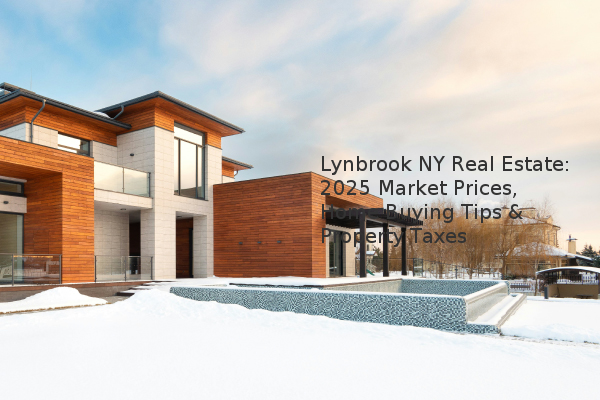
A freestanding house, also known as a single-family detached home, is a residential property that stands alone on its own parcel of land, without any shared walls with neighboring structures. For many, it represents the pinnacle of homeownership, offering maximum privacy and control. The core advantage of a freestanding house is the complete freehold ownership of both the structure and the land it occupies, but this also comes with greater maintenance responsibility and cost compared to attached homes like townhouses or condominiums.
This type of property is distinct from attached dwellings. Understanding the full spectrum of benefits and drawbacks is essential for making an informed decision that aligns with your lifestyle and financial goals.
The benefits often drive the desire for this type of property. The most significant advantage is privacy. Without shared walls, you are insulated from the noise of neighbors, allowing for a quieter living environment. This autonomy extends to control over your property. You have the freedom to modify the home's interior and exterior, landscape the yard, and make additions, typically subject only to local zoning laws and homeowners' association (HOA) rules, if they exist.
Furthermore, freestanding houses often sit on larger lots, providing space for gardens, patios, swimming pools, or play areas for children. This space can also translate into greater potential for appreciation over time, as the land itself is a valuable asset. For families, the combination of privacy, space, and control is frequently the deciding factor.
Ownership of a freestanding house entails a higher level of personal responsibility. The most considerable drawback is the cost of maintenance and repairs. As the sole owner, you are financially responsible for everything—from roof replacement and plumbing issues to lawn care and exterior painting. These costs can be unpredictable and substantial.
Additionally, the purchase price is often higher than that of attached homes in the same area. Property taxes and insurance premiums can also be greater. Utilities like heating and cooling may be less efficient in a larger, detached structure, leading to higher monthly bills. Unlike a condo, where exterior maintenance is often covered by HOA fees, there is no collective sharing of these burdens.
When purchasing a freestanding house, due diligence is critical. A thorough home inspection is non-negotiable. A licensed inspector will assess the foundation, roof, electrical systems, plumbing, and HVAC to identify any existing or potential problems. This report can save you from unexpected repair costs down the line.
It is also vital to research the neighborhood and any applicable HOA covenants. Even in a detached home, an HOA may govern exterior paint colors, fence styles, or even the type of landscaping permitted. Understanding these restrictions beforehand is crucial. Finally, consider the long-term costs. Based on our experience assessment, budgeting 1% to 3% of the home’s purchase price annually for maintenance and repairs is a prudent practice.
| Common Consideration | Key Questions to Ask |
|---|---|
| Structural Integrity | What is the age and condition of the roof, foundation, and major systems? |
| Property Taxes | What are the annual property tax obligations? |
| Utility Costs | Request historical averages for electricity, gas, and water. |
| Neighborhood | What are the zoning laws? Is the area prone to noise or development? |
Financing a freestanding house typically involves a standard mortgage. Lenders view these properties as desirable collateral. However, affordability is a key factor. You will need a larger down payment and must qualify for a higher loan amount compared to a condo or townhouse. It is essential to get pre-approved for a mortgage to understand your precise budget.
Beyond the mortgage principal and interest, your monthly housing payment will include property taxes and homeowners insurance, which are often held in an escrow account managed by the lender. An escrow account is a holding account managed by the mortgage servicer where funds for property taxes and insurance are collected as part of your monthly payment. You must also factor in the ongoing maintenance budget discussed earlier to get a true picture of affordability.
In summary, choosing a freestanding house is a major decision that balances the desire for privacy and space with the acceptance of full financial and maintenance responsibility. Key takeaways include: prioritize a comprehensive home inspection, understand all associated costs beyond the mortgage payment, and carefully review any HOA rules before committing. This purchase is not just about the structure but about acquiring a piece of land and the freedom that comes with it, making informed preparation the most critical step.