Browse

Log in / Register
 Share
Share
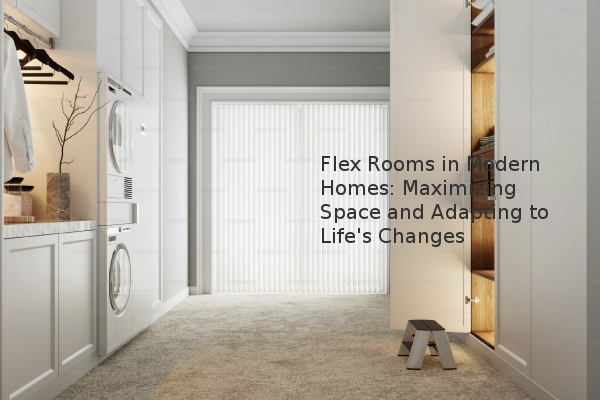
Flex rooms, also known as bonus rooms or multipurpose spaces, are becoming a standard feature in new home construction and renovations. These intentionally undefined spaces provide homeowners with the adaptability to meet changing lifestyle needs, from home offices and guest suites to future in-law accommodations. Based on our experience assessment, incorporating flexible square footage is a strategic way to enhance a property's long-term value and functionality.
A flex room is an area within a home that is not designated for a single, specific purpose. Unlike a bedroom or kitchen, its function can change over time. This concept has gained popularity as homeowners seek to maximize the utility of their square footage. For example, a room might serve as a home office during the week and transform into a guest room on weekends. The key to a successful flex room is its location and infrastructure; it is often situated near a bathroom and main living areas and may be pre-wired with ample electrical and plumbing provisions to accommodate future changes. This foresight in design allows the space to evolve without major renovations.
The demand for flexible living spaces is driven by several key demographic trends. Younger buyers view these rooms as a way to customize their first home to fit an unpredictable future, whether for a growing family or a career change. Meanwhile, baby boomers are planning to age in place and see flex rooms as a practical solution for potential future needs, such as a main-floor primary bedroom or a suite for a live-in health aide. In competitive real estate markets, a home with a versatile layout often has broader appeal upon resale because it allows potential buyers to imagine their own uses for the space, rather than being confined by a fixed floor plan.
Effective design is crucial for creating a room that can easily transition between functions. Architects recommend considering the following during the planning phase:
While the value added can vary by market, a well-executed flex room generally enhances a home's marketability. Marketing a space as "flex" or "bonus" room, rather than labeling it with a fixed purpose like "formal dining room," broadens its appeal. Prospective buyers can visualize using the area as a playroom, gym, or home office, making the property feel more suited to their specific needs. Homes that offer adaptable spaces are often perceived as more valuable because they can accommodate a wider range of lifestyles and life stages.
To incorporate flexibility into your home, consider these actionable steps: First, discuss with your architect or builder how your needs might change over the next 5-10 years. Second, prioritize infrastructure like electrical and plumbing during construction to avoid costly changes later. Finally, when listing a home for sale, highlight the versatile potential of flex spaces in marketing materials to attract a larger pool of buyers.