Browse

Log in / Register
 Share

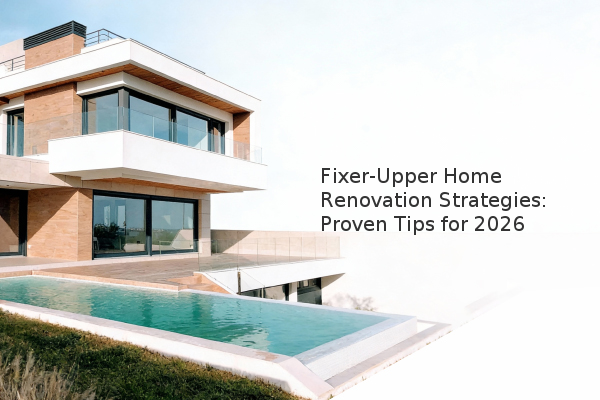
Renovating a fixer-upper property can significantly increase its market value and customize it to your tastes. Based on our experience assessment, focusing on key, high-impact updates rather than a complete, top-to-bottom restoration is often the most cost-effective strategy for homeowners in 2026. This approach preserves a home's character while modernizing its function and appeal. Key strategies include revitalizing historical elements, strategically using paint, and incorporating unique design touches to add warmth and texture.
Many buyers are initially deterred by older homes that appear dilapidated. However, properties with historical significance often possess unique architectural assets that are irreplaceable in new construction. The primary benefit is the potential to preserve character while increasing property value. Rather than viewing a home as beyond repair, a detailed inspection can reveal solid structural bones. Focusing on restoring key original features, such as hardwood floors, original fireplaces, and period-correct doors, can maintain the home's charm without the prohibitive cost of a full historical restoration. This targeted method makes owning a piece of history feasible for many.
Ranch-style homes, prevalent across many American suburbs, offer a blank canvas for transformation. Their long, low-profile design can be enhanced with strategic updates that add dimension and curb appeal. A highly effective starting point is adding a porch or portico, which breaks up the flat facade and creates a more welcoming entrance. Other impactful yet relatively low-cost improvements include painting outdated red brick, updating front doors, and installing shutters or window boxes. These changes can dramatically alter the home's exterior personality, making it stand out in the neighborhood without requiring a major architectural overhaul.
Rooms dominated by dark, dated wood paneling can feel closed-in and gloomy. A complete removal involving drywall installation is messy and expensive. A proven alternative is to paint the existing wood paneling a light color, typically white or a neutral off-white. This technique instantly brightens the space, maintains the interesting textural detail of the panels, and avoids the cost of new wall construction. The finished look often resembles popular shiplap, providing a fresh, modern farmhouse aesthetic. It is a clear example of how working with an existing feature can yield a stylish result while staying within a budget.
Incorporating antique or vintage items is a powerful way to inject personality and an eclectic feel into a space. This design strategy avoids the "showroom" sterility that can come with all-new furnishings. Using found objects as functional decor, such as repurposing antique suitcases as unique side tables or using old metal letters as wall art, adds a layer of storytelling and warmth. These pieces serve as conversation starters and help a home feel collected over time rather than decorated all at once. This approach is accessible at various budget levels, from flea market finds to specialized antique pieces.
There is a common misconception that modern design equates to a cold, sparse environment. The key to achieving a welcoming modern aesthetic is to prioritize materials that introduce texture and warmth. For instance, swapping a bulky wooden banister for a sleek iron railing maintains an open, clean line while adding an industrial-chic element. Similarly, concrete countertops or polished concrete floors can ground a space with a cool, modern vibe that is balanced by incorporating natural wood accents and soft textiles. The goal is to blend sleek surfaces with tactile materials to create a space that feels both contemporary and comfortable.
To maximize your investment in a fixer-upper, prioritize projects that offer the best return. Bold choices like painting dark paneling, adding exterior character to a ranch house, and blending modern elements with warm textures are proven strategies. Always consult with a professional for structural assessments before purchase.