Browse

Log in / Register
 Share
Share
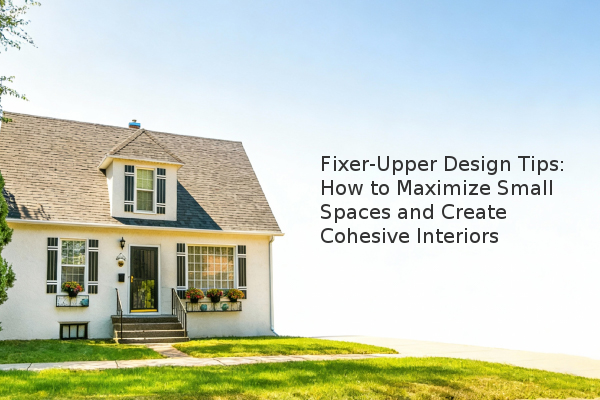
For homeowners looking to renovate, the core principles demonstrated by design experts on popular shows offer a reliable blueprint. Based on our experience assessment, the most successful small-space transformations prioritize multifunctional rooms, cohesive design elements, and careful attention to proportion and color. By applying these strategies, you can significantly enhance both the functionality and aesthetic appeal of your home without a full-scale rebuild.
In homes with limited square footage, every room must serve a distinct purpose. A key strategy is to design rooms with multiple, integrated functions. For instance, a single area can effectively operate as a combined mudroom, laundry room, and home office. This approach requires built-in storage solutions to minimize clutter. Incorporating versatile surfaces, such as a corkboard wall for displaying children's artwork, can add personality while keeping the primary living areas like the kitchen organized. The goal is to ensure that each square foot is assigned a specific, practical function, preventing the space from feeling cramped or chaotic.
Introducing varied geometric shapes is an effective method to add visual interest to a plain room. A round ceiling trim can create a grand, traditional focal point in a square dining area. However, to prevent the design from feeling too uniform or predictable, it's crucial to introduce contrasting shapes. Pairing a round table with a square rug and rectangular artwork helps to "throw the shape off a bit," creating a more dynamic and balanced look. This deliberate mix of geometric shapes prevents any single element from overwhelming the space and adds a layer of sophisticated design.
In an open floor plan, visual continuity is essential for making the space feel unified and intentional. Cohesion is achieved through subtle tie-ins, such as repeating materials or shapes in different areas. For example, a side table with a round marble top can reflect both the kitchen countertops and the dining room's ceiling motif. These subtle repetitions of materials and forms create a seamless flow from one zone to the next, ensuring the design feels curated rather than disjointed. This strategy is particularly important in smaller, open homes where every design choice is highly visible.
Proportion is a critical factor, especially when aiming for a traditional aesthetic. An element that is too small or too large can disrupt the entire balance of a room. A common mistake is installing a stove vent hood that is underscaled for the kitchen. What might look charming in a cottage can appear lost in a larger space. It is vital to select fixtures and furnishings that fill their allotted space appropriately. Stepping back to assess the scale of each item in relation to the room's architecture is a necessary step to achieve a harmonious result.
Navigating differing color preferences can be resolved with a strategic compromise. Applying a lighter, neutral color on the walls and a bolder, darker hue on the cabinetry is a proven method. This approach allows for the inclusion of personality through color without making the room feel overwhelming. Color is a powerful tool for adding personality, and this two-tone strategy satisfies a desire for both peaceful and statement-making elements. It effectively defines different functional areas within a single space, like a kitchen.
Choosing a white paint or material is more complex than it appears, as whites contain subtle undertones of blue, gray, yellow, or pink. The lighting in a room will dramatically affect how these undertones appear. The most reliable method is to sample several white options directly in the space where they will be used. Observing them at different times of day helps in selecting a white that complements the room's natural and artificial light, rather than clashing with it. A white with blue undertones, for instance, might be chosen over one with gray to achieve a desired crisp, clean look.
When standard furniture doesn't fit, improvisation leads to unique and personalized solutions. For a compact music room, space might not allow for both a piano and a desk. A creative alternative, like repurposing a wall-mounted Bible stand as a swiveling writing surface next to the piano stool, solves the spatial problem. This kind of innovative, space-saving move adds significant character and functionality, turning a limitation into a distinctive feature of the home.
To implement these ideas, start by auditing your home's layout to identify underutilized areas. Focus on integrating storage and defining multifunctional zones. When selecting new elements, always consider their scale and how their color and shape will interact with existing features. Finally, don't be afraid to customize solutions for your specific needs.