Browse

Log in / Register
 Share
Share
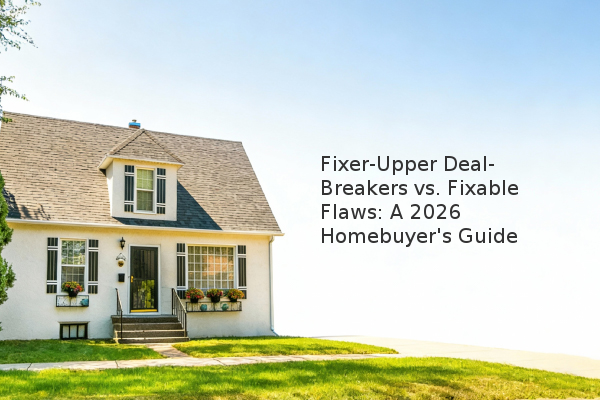
Buying a fixer-upper requires distinguishing between inconvenient flaws and fundamental deal-breakers. Based on our experience assessment, the most critical factors are the home's location, structural integrity, and alignment with your budget and long-term needs. A flawed house in a great neighborhood is often a better investment than a perfect house in a problematic location. Cosmetic issues are typically manageable, while foundation problems, a bad roof, or a poor floor plan may be cost-prohibitive to correct.
You can change almost anything about a house except its address. A long commute, high crime rates, or unfavorable zoning can make daily life unpleasant and negatively impact the property's future value. Before committing, visit the neighborhood at different times, including weeknights and weekends. Research local zoning laws to understand if nearby vacant land could be developed into a commercial property. A charming home becomes less appealing if it's situated next to a future highway or lacks access to quality schools.
A common guideline is to keep total monthly housing costs—including your mortgage payment, property taxes, and homeowners insurance—below 40% of your gross monthly income. For a fixer-upper, you must also factor in renovation costs. Obtain quotes from contractors before making an offer to avoid surprises. If the purchase price plus estimated repairs stretches your budget thin, it may be a deal-breaker. Unforeseen issues often arise during renovations, so having a financial buffer is crucial.
Many interior drawbacks are cosmetic and relatively inexpensive to address. These include outdated light fixtures, worn carpeting, loose bathroom tiles, or minor landscaping issues. Installing new windows can brighten a dark room, and painting walls is a low-cost project with significant visual impact. If a wall removal would improve the flow of the home, consulting a structural engineer can determine feasibility. These types of improvements can add value without requiring a massive financial investment.
Certain problems signal a potential money pit. Issues like extensive mold, water damage, a faulty foundation, or an aging roof often require professional, costly remediation. If the home needs a complete replumbing or electrical rewiring, the investment may not be worthwhile. Furthermore, if the property's lot size or core layout cannot accommodate your family's basic needs—such as enough bedrooms or outdoor space—it is likely a permanent drawback. A house that requires more work than you can handle financially or physically is a clear deal-breaker.
Before purchasing a fixer-upper, prioritize your needs, secure detailed repair estimates, and ensure the location enhances your lifestyle. A realistic assessment of which flaws are fixable and which are fundamental will guide you toward a sound investment and away from a costly mistake.