Browse

Log in / Register
 Share

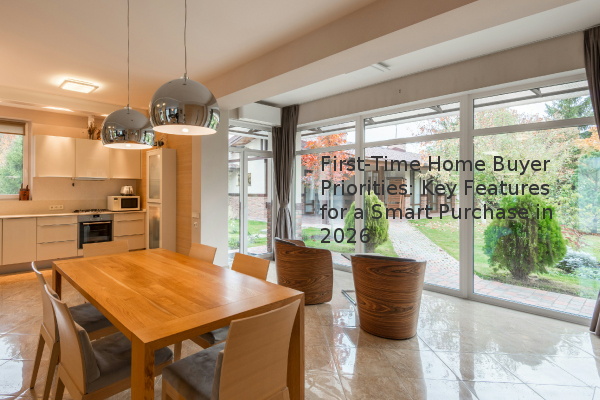
For a first-time home buyer, prioritizing features that offer long-term value and adaptability is more critical than finding a perfect, move-in-ready property. Based on our experience assessment, the most strategic approach involves evaluating a home's potential for future needs, its functional layout, and the hidden costs of ownership. Key priorities include selecting a property with room to grow, a functional laundry location, and a manageable budget for maintenance and property taxes.
The primary goal is to find a home that serves as a solid financial and personal foundation. Instead of being swayed by superficial upgrades, focus on the structural integrity, the layout's efficiency, and the neighborhood's potential for appreciation. A home that is slightly larger than your current needs can prevent a costly move in just a few years. The ideal first home balances present affordability with future adaptability, allowing you to build equity without overextending your finances. This long-term perspective is essential for a successful investment.
"Room to grow" refers to a property's ability to accommodate changes in your lifestyle, such as a growing family or the need for a home office. A home with an extra bedroom or a flexible den space provides options without requiring immediate renovation. For example, a three-bedroom home may be ample for a single person but can easily adapt if another person moves in. A flexible floor plan is a valuable asset that can extend the time you live in the home, maximizing your investment. Outdoor space, like a half-acre lot, also represents room to grow, offering potential for gardens, patios, or expansions.
The location of the laundry room is a practical feature that significantly impacts daily convenience. In a multi-story home, having laundry facilities on the same floor as the main bedroom eliminates the need to carry heavy baskets up and down stairs. An upstairs laundry room is a functional upgrade that enhances livability and is often overlooked by first-time buyers focused on cosmetic details. This placement saves time and effort, making it a valuable quality-of-life consideration that contributes to long-term satisfaction with your purchase.
The purchase price is just the beginning of homeownership costs. It is crucial to factor in ongoing expenses like property tax, a recurring fee levied by local governments based on the property's assessed value, and homeowners insurance. Additionally, setting aside 1-2% of the home's value annually for maintenance and repairs is a standard recommendation. Creating a budget that accounts for these costs ensures you are not financially strained after closing. A larger home, while appealing, will typically come with higher property taxes and utility bills, which must fit within your long-term financial plan.
A functional backyard extends your living area and provides a return on investment through personal enjoyment and potential property value increase. This space can be customized for entertainment, like adding a fire pit, or for relaxation. A well-maintained outdoor area enhances the overall utility of the property without the high cost of interior renovations. It’s an adaptable feature that grows with your needs, whether for hosting friends or for future family activities.
In conclusion, a successful first home purchase hinges on strategic priorities. Focus on properties that offer flexibility for future needs, pay close attention to functional details like laundry room placement, and always create a comprehensive budget that includes property taxes and maintenance. By emphasizing these practical elements, you can make a confident and sustainable investment.