Browse

Log in / Register
 Share
Share

For homebuyers seeking a property with unparalleled charm, storybook-style homes offer a unique blend of whimsical architecture and character. These homes, often characterized by asymmetrical designs, sloping roofs, and handcrafted details, represent a niche but rewarding segment of the real estate market. The core appeal lies in their one-of-a-kind nature, but purchasing one requires a specialized approach. The key to a successful purchase is understanding the unique maintenance considerations and securing a specialized home inspection to assess the condition of often-aged materials and custom features.
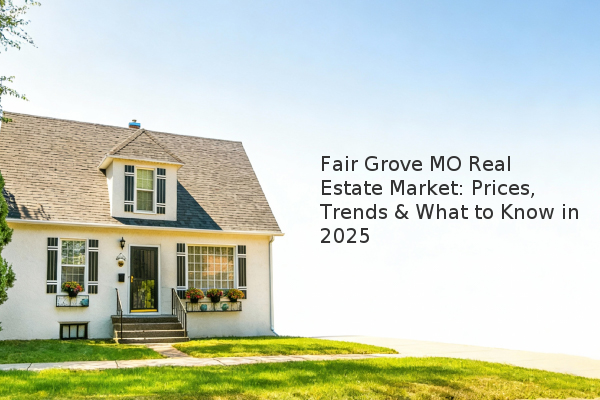
Storybook architecture, a subset of the Tudor Revival style popularized in the 1920s and 1930s, is designed to evoke the charm and fantasy of fairy-tale illustrations. Key features include steeply pitched gable roofs, rounded doors and windows, decorative wood trim (often referred to as "false half-timbering"), and stone or brick exteriors. Unlike standard new construction, these homes prioritize artistic expression over uniformity. When evaluating a storybook home, it's crucial to distinguish between original character elements and modern updates. Based on our experience assessment, properties that have preserved key architectural details while updating critical systems like plumbing and electrical often represent the best long-term value.
A standard home inspection may not suffice for a storybook property. You should seek an inspector with experience in historic or character homes. Their assessment should thoroughly cover the integrity of the unique structural elements. Pay close attention to the roof, as the complex angles and aged materials can lead to costly repairs. The inspection should also focus on the foundation, the condition of any original windows (which can be expensive to repair or replace with historically accurate options), and the electrical wiring, which may not be up to modern codes. This due diligence is essential for an accurate budget.
The purchase price is just one component of the financial picture. Prospective buyers must budget for potentially higher ongoing maintenance costs and specialized insurance. Obtaining quotes for homeowners insurance early in the process is critical, as some carriers may view non-standard construction as a higher risk. Additionally, property taxes can vary based on local assessment rules and the home's historic designation, if applicable. Creating a detailed budget that accounts for these factors will help you determine a realistic offering price.
| Potential Cost Consideration | Estimated Impact on Budget |
|---|---|
| Specialized Roof Repair/Replacement | 20-50% higher than standard roofing |
| Historic Window Restoration | $1,000 - $3,000+ per window |
| Higher Premium for Homeowners Insurance | 10-25% above standard policy |
| Custom Craftsmanship for Repairs | Varies significantly by project |
The investment potential of a storybook home is different from that of a conventional property. Their niche appeal can mean a smaller pool of potential buyers when it's time to sell, which might lead to a longer time on the market. However, their scarcity and unique character can also create significant demand among the right buyers, potentially preserving value well. The resale value is highly dependent on the home's condition, location, and the overall health of the luxury or unique-home market segment in your area. They are best viewed as a lifestyle investment that fulfills a personal dream, with financial returns being less predictable than with a standard single-family home.
Purchasing a storybook home is a journey for those who value artistry and history over convenience. By prioritizing a thorough inspection, understanding the full financial commitment, and appreciating the home's unique place in the market, you can make an informed decision. Focus on the property's structural soundness and the cost of preserving its character to ensure your fairy-tale ending is a financially sustainable one.