Browse

Log in / Register
 Share


For homebuyers in 2026, opting for a modular home—a dwelling constructed in sections in a factory-controlled setting before being assembled on a permanent foundation—presents a compelling path to affordability, speed of construction, and modern design. The process of finding "modular homes for sale near me" involves a unique search strategy, as these homes are typically sold through specialized builders rather than traditional real estate listings. This guide provides a data-driven overview of the costs, benefits, and key steps to locate and purchase a modular home in your area.
The primary advantages driving demand for modular construction are significant time and cost savings. Unlike site-built homes, which are subject to weather delays and labor shortages, modular units are built indoors concurrently with site preparation, slashing construction time by 30-50%. In terms of cost, while land and foundation expenses are comparable, the factory-built process creates efficiencies. Based on 2026 industry data, the average base price for a modular home ranges from $80 to $120 per square foot, excluding land, permits, and assembly. This often results in a lower final cost per square foot compared to traditional construction.
| Feature | Modular Home | Traditional Site-Built Home |
|---|---|---|
| Average Construction Time | 3-6 Months | 9-12 Months |
| Average Cost Per Sq. Ft. (ex. land) | $80 - $120 | $100 - $155 |
| Quality Control | Factory-controlled, consistent | Subject to on-site variables |
| Customization | High (from pre-designed plans) | Virtually unlimited |
Understanding the total investment is critical. The advertised price from a builder is rarely the final amount. Your total cost will include the home itself, land purchase (if you don't already own a lot), property tax assessments, foundation work, utility hookups, permits, and transportation from the factory. Title insurance, which protects both the lender and owner from losses related to property title disputes, is also a required cost. Securing construction-to-permanent financing is the typical route, which rolls the construction loan and mortgage into one package. A realistic budget for a complete turn-key project, including land, often starts between $200,000 and $350,000, varying significantly by region and home specifications.
The search process is different from finding an existing resale home. Instead of searching Multiple Listing Services (MLS) exclusively, your first step should be to identify reputable local modular home builders. Use search terms like "modular home builders [Your State]" or "manufactured home dealers near me." Attend local home shows, as builders often showcase their models. Once you identify a builder, you select a floor plan from their catalog, which can often be customized. The builder then manages the factory order, transportation, and on-site assembly crew. It's essential to verify a builder's licenses, insurance, and Better Business Bureau rating, and to speak with past clients.
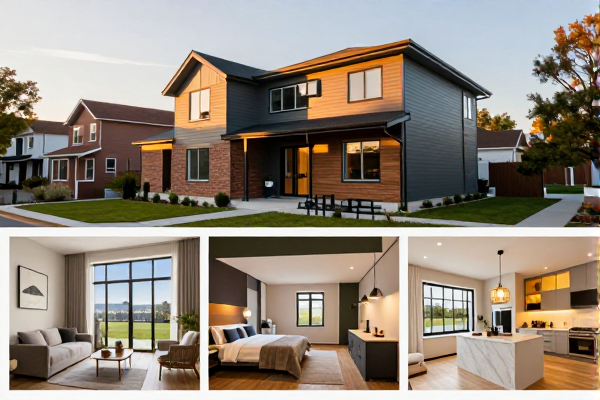
Before committing, conduct thorough due diligence. Zoning laws in your desired area must permit modular homes, which are typically classified the same as site-built homes once assembled. You must also confirm that your chosen lot can accommodate septic or sewer and well or city water connections. Always hire an independent home inspector to assess the home after installation but before the final walkthrough. Finally, understand the warranty coverage provided by the manufacturer for the structure and the builder for the assembly work.
Purchasing a modular home in 2026 is a strategic decision that balances efficiency, cost, and customization. To ensure a successful project: