Browse

Log in / Register
 Share
Share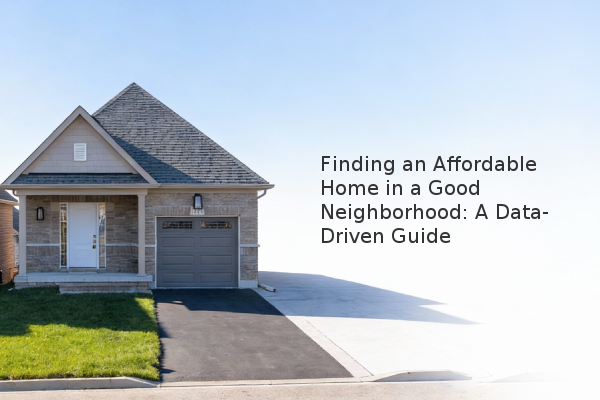
For homebuyers seeking an affordable home in a neighborhood with great schools and an easy commute, the search can feel overwhelming. However, a data-driven analysis identified 25 U.S. neighborhoods that meet these demanding criteria, with more than half located in the Chicago metropolitan area. These areas combine a median home price below the national average, access to quality public schools, robust public transportation, and lower crime rates, offering a viable path to homeownership without significant compromise.
What Defines a "Neighborhood That Has It All"?
The selection was based on specific, measurable criteria designed to identify true value for homebuyers. Affordability was the primary filter, with a focus on zip codes where the median home sale price was below the national median of $291,700. Crucially, these neighborhoods also exhibited a slower pace of sales, with a median days on market—the average number of days a home is listed for sale before going under contract—of at least 46 days. This provided a critical buffer against the hyper-competitive bidding wars common in other markets. Additional requirements included a GreatSchools rating of 5 or higher, a Transit Score of at least 50 (indicating good public transit options), and lower reported violent crime rates.
Why Did Chicago Dominate the List?
A significant finding was the concentration of qualifying neighborhoods in the Chicago area. This is attributed to the city's relative affordability compared to other major coastal metros and its resistance to the severe inventory shortages seen nationwide. A key consideration for Chicago, however, is property tax. Based on our experience assessment, buyers should typically set aside about 2 percent of the home's sale price annually for local taxes. These taxes directly fund the city's highly-rated schools and world-class transit system, creating a cycle of investment that maintains the very amenities buyers seek.
What Are the Practical Benefits for Homebuyers?
Beyond affordability, access to employment centers is a major advantage. For example, neighborhoods like Squirrel Hill in Pittsburgh offer not only attractive housing prices but also a short commute to major employers like Google, Uber, and Carnegie Mellon University via public transit. This combination of job proximity, transit access, and highly-rated schools creates a sustainable and desirable living environment for professionals and families alike.
Key Takeaways for Your Home Search: