Browse

Log in / Register
 Share

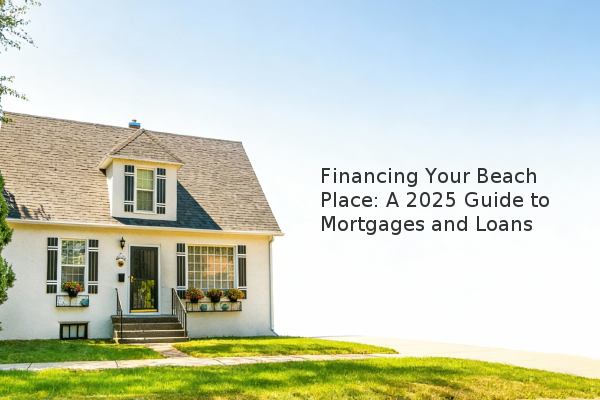
Securing financing is the most critical step in purchasing a beach place, a process that involves unique loan considerations, stricter lender requirements, and additional costs compared to a standard primary residence. Based on our experience assessment, successful buyers typically have strong credit profiles, make substantial down payments, and budget meticulously for higher insurance and taxes. This guide outlines the essential financial pathways and requirements for acquiring a coastal property.
The type of mortgage you qualify for depends heavily on how you intend to use the beach place. A primary residence loan offers the most favorable terms but requires you to live in the property for the majority of the year. If you plan to occasionally use the home and rent it out periodically, a second home loan is applicable; lenders will verify it's a reasonable distance from your primary home. For properties intended primarily for rental income, an investment property loan is necessary, which typically requires a larger down payment and carries a higher interest rate. For high-value properties exceeding conforming loan limits, a jumbo loan will be needed, which also has stringent credit and cash reserve requirements.
| Property Use Case | Typical Down Payment | Key Lender Considerations |
|---|---|---|
| Primary Residence | 3% - 20% | Proof of address change, proximity to workplace. |
| Second Home | 10% - 20% | Distance from primary home, not managed by a rental agency. |
| Investment Property | 15% - 30% | Demonstrated rental income potential, borrower's liquidity. |
Lenders perceive a higher risk with beach places, leading to more rigorous qualification standards. The primary concern is depreciation risk due to potential environmental hazards like erosion, storm surges, and flooding. To mitigate this, lenders will often require a specialized appraisal that assesses not just the home's condition but also the stability of the shoreline, elevation, and historical weather data for the area. Furthermore, they will mandate that you secure adequate hazard insurance, which often includes a separate flood insurance policy. Your debt-to-income ratio (DTI) will be scrutinized closely, and you may need to demonstrate sufficient cash reserves to cover several months of mortgage payments.
The purchase price and mortgage payment are just the beginning of the financial commitment for a beach place. Property insurance costs are significantly higher and typically require a flood insurance policy, which can be obtained through the National Flood Insurance Program (NFIP) or private insurers. Property taxes can also be elevated in desirable coastal communities. You must also factor in maintenance costs; salt air, sand, and humidity accelerate wear and tear on exteriors, HVAC systems, and appliances. If you own a condo or are part of a homeowners' association (HOA), expect HOA fees that cover shared amenities like pools, docks, and beach maintenance, which can be substantial.
A structured approach is essential for a smooth transaction. First, get pre-approved by a lender familiar with coastal properties to understand your true budget. Next, shop for insurance early; contact agents to get quotes for homeowners and flood insurance, as this cost directly impacts your monthly payment. Once you have an accepted offer, your lender will order a property appraisal with specific criteria for waterfront homes. Finally, you'll proceed to underwriting, where the lender verifies all your financial information and the property's details before granting final loan approval.
To successfully finance a beach place, focus on strengthening your credit profile, saving for a larger down payment, and creating a comprehensive budget that includes all recurring costs like insurance, taxes, and maintenance. Understanding the loan types and preparing for the stringent lender requirements will significantly increase your chances of a successful purchase.