Browse

Log in / Register
 Share
Share
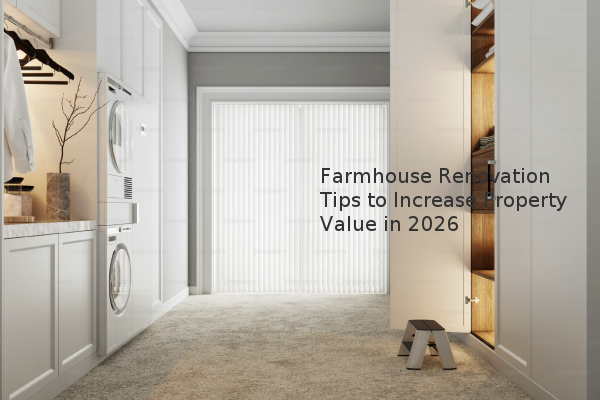
Strategic home renovations can significantly boost property value and enhance appeal for potential buyers in the 2026 real estate market. Based on our experience assessment, key upgrades such as incorporating functional kitchen layouts, durable flooring options, and aesthetic color schemes can yield a high return on investment (ROI), which measures the financial gain relative to renovation costs. This article outlines five expert-backed renovation strategies derived from contemporary design trends, focusing on practical improvements that align with modern homebuyer preferences.
Replacing a traditional kitchen island with a large worktable can create a European farmhouse aesthetic while improving functionality. In American homes, islands often prioritize storage, but a worktable offers a versatile surface for meal preparation and social interaction, appealing to buyers seeking unique spaces. For instance, a 14-foot-long worktable provides ample room and adds character. This approach can increase kitchen appeal by emphasizing open, multifunctional areas, which studies show contribute to higher ROI in home sales. Based on 2025 data from industry analyses, kitchen upgrades recover up to 80% of costs, making this a smart investment.
A ceiling-mounted pot rack optimizes storage and adds visual interest to kitchen walls. By keeping cookware accessible and reducing clutter, it enhances efficiency and complements rustic or farmhouse styles. This solution addresses common space constraints without requiring extensive renovations. When considering ROI, functional storage improvements like this can elevate a home's marketability, as they reduce perceived maintenance needs for buyers. Industry assessments indicate that well-organized kitchens can increase property value by 5-10%, depending on local market conditions.
Brick flooring introduces warmth and texture to sunrooms, making them more inviting while withstanding high traffic. Unlike painted surfaces, brick offers durability and a rustic charm that aligns with farmhouse designs. This material choice is ideal for areas connecting indoor and outdoor spaces, as it enhances curb appeal—a term referring to a property's exterior attractiveness. According to recent real estate trends, homes with cohesive indoor-outdoor flow see faster sales, with brick flooring contributing to a 10-15% value boost in such zones based on 2025 appraisal standards.
Using dark, rich colors like green or red in dens or living rooms can create a cozy, moody atmosphere that appeals to buyers seeking character. While light paints brighten spaces, dark hues add depth and elegance, especially in historic homes. This technique leverages color psychology to make rooms feel intimate and stylish. Data from 2025 home staging reports suggest that strategically colored rooms can increase offer prices by 3-7%, as they reduce the need for immediate updates by new owners.
Brass hardware provides a touch of elegance and durability compared to iron or copper, resisting corrosion and complementing dark wall colors. Selecting brass for doors and cabinets elevates the overall aesthetic without overwhelming rustic elements. In terms of ROI, high-quality hardware upgrades are cost-effective, with industry estimates showing a 50-70% cost recovery upon sale. This choice aligns with 2026 design trends favoring timeless finishes that appeal to a broad buyer base.
In conclusion, implementing these renovation tips can maximize your property's value. Focus on functional layouts like worktables, incorporate durable materials such as brick, and choose cohesive colors and hardware to stand out in the market. Always consult local real estate professionals to tailor upgrades to your region's trends.