
Browse

Log in / Register
 Share
Share
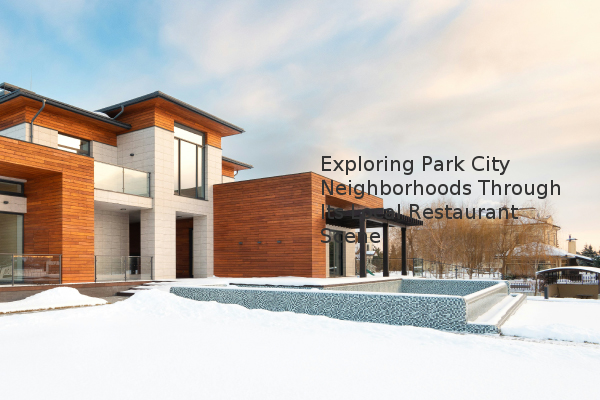
Park City's diverse and acclaimed restaurant scene is more than just a culinary asset; it serves as a valuable indicator of neighborhood character and lifestyle for potential homebuyers. Based on our experience assessment, the concentration of high-quality dining options, particularly along Historic Main Street, often correlates with higher property values and a walkable, vibrant community atmosphere. Understanding the local dining landscape can provide unique insights into what it’s like to live in different areas of this Utah mountain town.
How Does the Main Street Dining Corridor Reflect Local Real Estate? Historic Main Street is the epicenter of Park City's fine dining and social life, home to establishments like Riverhorse on Main and 501 on Main. This area is characterized by a mix of historic buildings and modern amenities. The real estate in this immediate vicinity consists primarily of condominiums and townhomes, which are a type of property ownership where individuals own their unit and a share of common areas. Properties here offer unparalleled walkability to restaurants, galleries, and events like the Sundance Film Festival. This convenience and prestige come at a premium, with property values significantly influenced by their proximity to these amenities.
| Main Street Area Real Estate Snapshot (2023-2024) | |
|---|---|
| Property Type | Average Price Range |
| Condominium (1-2 bedroom) | $1.2M - $3M+ |
| Single-Family Home (within 0.5 miles) | $2.5M - $7M+ |
Data based on aggregated Wasatch Front Regional MLS trends.
What Do Neighborhood Eateries Reveal About Community Vibe? Moving away from Main Street, neighborhood-centric restaurants paint a different picture. Harvest on Park Avenue, for example, emphasizes locally sourced ingredients and a café atmosphere, indicative of a community that values health, sustainability, and a more relaxed pace. Similarly, Davanza’s offers a family-friendly, casual environment for American comfort food. These establishments are often situated in areas with a higher proportion of single-family homes, appealing to long-term residents and families seeking a strong sense of community without the constant buzz of a tourist center.
Why Consider a Home’s Proximity to Dining Options? Walkability—the measure of how easy it is to reach daily needs on foot—is a significant factor for many buyers. A home within walking distance of restaurants like Café Terigo or Buona Vita reduces reliance on cars, especially during winter months or busy festival seasons. This convenience can enhance daily living and is a feature that often retains value over time. Furthermore, a thriving local restaurant scene can be a buffer during market shifts, as desirable, amenity-rich neighborhoods typically demonstrate greater market resilience.
Is the Quality of Local Schools Tied to Commercial Hubs Like Restaurants? While not a direct correlation, a robust commercial district that includes successful restaurants contributes to a strong tax base, which can fund public services, including schools. Families considering areas near these dining hubs should note that these neighborhoods often fall within sought-after school districts. The presence of a stable, prosperous community supported by businesses like Butcher’s Chop House & Bar or Tupelo can be a positive indicator of the overall health and investment in local infrastructure.
Conclusion: Using Local Amenities in Your Home Search When evaluating different areas in Park City, the local restaurant scene offers practical clues about the neighborhood's lifestyle and long-term value. Prioritize visiting the areas around your shortlisted restaurants to experience the atmosphere firsthand. Research property tax records for the specific neighborhoods you are considering, as rates can vary. Finally, weigh the value of walkability against potential factors like noise or traffic in highly concentrated commercial areas. Making an informed decision involves balancing these culinary amenities with your personal real estate goals.


