Browse

Log in / Register
 Share
Share
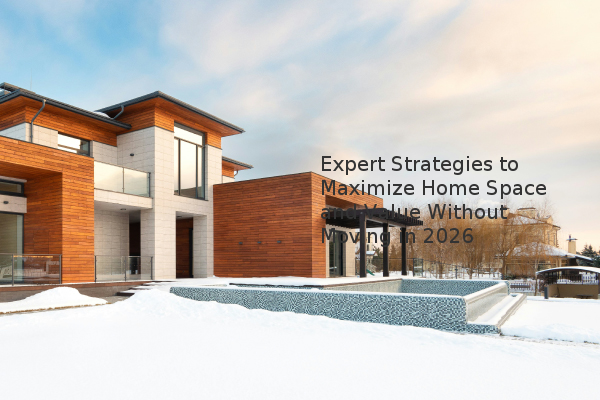
For homeowners feeling cramped, reconfiguring existing space and targeted renovations often provide a better return on investment than adding square footage or moving. Based on our experience assessment, strategic updates like converting underutilized rooms, opening up kitchen layouts, and upgrading to energy-efficient systems can significantly enhance a home's functionality and market value. This approach is particularly effective in today's market, where construction costs and mortgage interest rates influence financial decisions.
Often, the solution to a cramped home isn't more space but a smarter use of the space you already have. Reconfiguring furniture layout and room flow can dramatically alter how large a home feels. For example, borrowing square footage from a large, underutilized laundry room to add a half-bathroom creates significant convenience without a single foundation pour. The added value of a bathroom, a key feature for appraisals, frequently far exceeds the construction cost when utilizing existing space. The first step is to conduct a thorough audit of your home's layout, identifying rooms that are not used to their full potential.
Creating dedicated, organized storage for items like toys, books, and shoes is another critical step. When every item has a designated "home," clutter is reduced, making living areas feel more spacious and tranquil. This is especially important for growing families. Simple changes, such as installing built-in shelving or utilizing multi-functional furniture, can maximize every square inch without the need for structural changes, offering a high-impact, low-cost solution to space constraints.
When considering renovations, focus on projects that enhance both daily living and resale value. A kitchen renovation that opens the space into adjacent living areas consistently ranks as one of the most valuable improvements. By removing non-load-bearing walls to create an open-concept floor plan, you improve traffic flow and modernize the home's appeal, which is highly attractive to future buyers. This type of renovation often yields a better financial return than more niche projects.
If your property's value per square foot is high and you have the room to expand, adding conditioned square footage upward or outward can drastically increase value. However, it's crucial to analyze local construction costs against potential property value increases. Another smart investment is upgrading to an energy-efficient HVAC (Heating, Ventilation, and Air Conditioning) system. While there is an upfront cost, a system that generates air efficiently will save money on utility bills over the long term and is a selling point for energy-conscious buyers.
Not all renovations are created equal. Homeowners should be cautious of projects that cater to overly specific tastes or have limited use. Dedicated game rooms or home theaters are often poor investments because they appeal to a narrow segment of buyers and may rarely be used by the current homeowners. These specialized rooms do not typically increase a home's appraised value commensurate with their cost. It is generally wiser to invest in improvements that enhance fundamental living spaces, such as kitchens, bathrooms, and primary suites, which have broad appeal.
Proper seasonal maintenance is essential for comfort, safety, and controlling energy costs. Before winter arrives, schedule a preventative maintenance checkup with a certified HVAC dealer. A professional can ensure your system is operating efficiently and identify potential issues before they lead to a costly breakdown during a cold snap. Regularly changing your HVAC system's air filters is also critical, as a clean filter ensures optimal airflow and prevents the system from overworking to maintain temperature.
Several simple DIY tasks can also improve winter readiness. These include covering crawl space exterior vents, insulating outdoor water spigots, and turning ceiling fans clockwise. Running fans on low speed in a clockwise direction helps redistribute warm air that rises to the ceiling back down into the living space, promoting even heating and reducing strain on your HVAC system. Installing a programmable or smart thermostat can lead to significant savings, with potential annual savings of around $180 by automatically adjusting temperatures when the home is unoccupied.
Beyond pure functionality, personal touches create warmth and character. Treat blank walls as empty canvases for creative accents like patterned wallpaper or unique textural materials to inject personality into a room. Furthermore, upcycling old furniture pieces is a powerful way to add unique character. Refurbishing a found item, like an antique coffee table, to match your style creates a one-of-a-kind piece that makes the space feel complete and personally curated. These design choices, which reflect the homeowner's taste, are what ultimately transform a house into a home.
In summary, the most effective strategy for enhancing your home involves a combination of intelligent space reconfiguration, high-ROI renovations like kitchen updates, and diligent seasonal maintenance. Prioritizing projects that improve both daily life and long-term value ensures your investment is sound.