Browse

Log in / Register
 Share

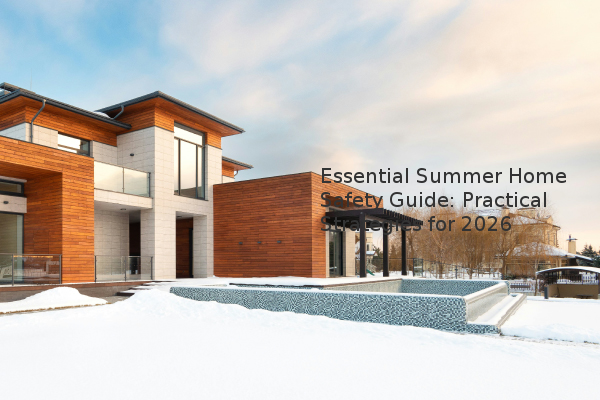
Implementing practical summer home safety measures is crucial for preventing accidents and protecting your property's value. Based on our experience assessment, focusing on food safety, pool maintenance, fire prevention, and storm preparedness can significantly reduce seasonal risks. Proactive planning is the most effective strategy for a safe and enjoyable summer.
What are the critical food safety hazards at summer gatherings? A primary concern is often overlooked: grill brush bristle contamination. Instead of wire brushes, which can shed and be ingested, use a pumice stone or rough pad to clean grill grates, ensuring you rinse off any residue completely. Beyond this, general food safety is paramount. Always use a meat thermometer to verify proper cooking temperatures and store perishable items in the refrigerator, not outdoors where heat can cause spoilage. These steps prevent foodborne illnesses and unexpected emergencies.
How can you enhance pool area safety beyond a fence? While a pool fence is essential, slip-and-fall accidents on wet surfaces are a common hazard. To mitigate this, consider installing slip-resistant textures and flooring around the pool deck. Options include turf grass, outdoor carpets, or textured terrazzo floors. Additionally, water quality is a critical safety component. Use natural pool enzymes to clear contaminants that may have accumulated. It is also vital to carefully clean the pool area before gatherings and after severe weather to remove hazardous debris.
What are the most effective ways to prevent grill-related fires? Regular maintenance is the cornerstone of grill safety. Check propane grills for leaks frequently and clean them often to prevent dangerous grease fires. Position the grill away from your home and gathering areas to minimize the risk of burns or stray sparks igniting nearby structures. For a more permanent solution, homeowners might consider upgrading to a built-in summer kitchen, which offers enhanced stability and safety. Similarly, creating a recessed area for a fire pit provides a protective boundary, reducing the risk of accidental contact.
How should homeowners prepare for severe summer storms? Summer storms can arrive with little warning, making preparedness essential. Invest in surge protectors to safeguard appliances from power surges. It is also advisable to review and update your homeowners insurance policy proactively to ensure adequate coverage for storm-related damage. Practical preparations include having an emergency kit, knowing your evacuation route, and installing window covers for protection against high winds. Consider purchasing a generator and stocking up on batteries for essential lighting. A solar- or battery-powered radio can provide critical updates if cell service is lost. Most importantly, avoid driving during heavy rains, as many flood-related incidents occur when vehicles enter hazardous waters.
Taking these proactive steps can help ensure your summer is both enjoyable and safe. Focusing on these key areas—food safety, pool maintenance, fire prevention, and storm readiness—provides a comprehensive approach to managing seasonal risks effectively.