Browse

Log in / Register
 Share
Share
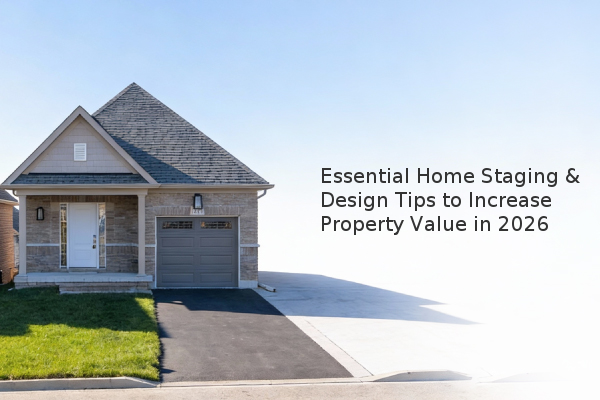
Strategic home staging and design choices are a powerful, cost-effective method to enhance a property's appeal and maximize its market value. Based on our experience assessment, focusing on key areas like entryways, living spaces, and cohesive decor can significantly influence buyer perception. Simple updates, such as strategic storage solutions and neutral, textured accessories, often yield a high return by helping potential buyers visualize the property as their future home. This approach is grounded in the principles of Neutral Design, which aims to create a welcoming yet universally appealing environment.
The perception of space is critical in real estate. Clutter is a primary deterrent for buyers, as it makes rooms feel smaller and neglects their potential. Incorporating stylish, multifunctional storage is a fundamental aspect of home staging. For example, a well-designed fabric storage bin serves a dual purpose: it organizes essentials while contributing to the room's aesthetic. The goal is to demonstrate a lifestyle of organization and ease, which is highly attractive to buyers. In today's market, homes that showcase smart storage solutions consistently photograph better and show more effectively during open houses, directly impacting the speed and value of an offer.
Neutral palettes with layered textures create a warm, inviting atmosphere without imposing a specific style on the buyer. This is where accessories like throw pillows with subtle embroidery or minimalist photo frames become valuable. These elements add visual interest and a sense of quality without overwhelming a space. Textures and neutral colors help potential buyers form an emotional connection, as the environment feels both cared for and adaptable to their personal taste. This strategy avoids the pitfalls of highly personalized decor, which can make it difficult for a majority of buyers to see themselves in the home.
A cohesive design flow, where elements from one room subtly complement the next, is essential for a successful showing. Disjointed styles from room to room can subconsciously signal a lack of maintenance or a poorly planned layout. Using a consistent color story or material, such as matte black finishes or natural wood tones, throughout the home creates a sense of harmony and purpose. This cohesion makes the property feel more substantial and thoughtfully designed, which can justify a higher asking price. It reassures buyers that the home has been meticulously maintained and is move-in ready.
Often, it's the small, thoughtful details that leave a lasting impression. Unique but not overly quirky elements, like a set of simple bookends or a versatile tray that can function as a mirror or organizer, demonstrate attention to detail. These items suggest that every aspect of the home has been considered. These subtle touches contribute to a narrative of quality and care, which can be a deciding factor for buyers comparing similar properties. They help the home stand out in a competitive market without requiring a significant financial investment.
In conclusion, increasing your property's appeal in 2026 involves a focused strategy: prioritize organization with stylish storage, employ a neutral palette with textured accents, ensure a unified design flow from room to room, and pay attention to small, quality details. By implementing these actionable steps, sellers can effectively stage their homes to attract serious buyers and potentially secure a stronger final sale price. The key is to create a welcoming, neutral canvas that allows buyers to imagine building their future within the space.