Browse

Log in / Register
 Share

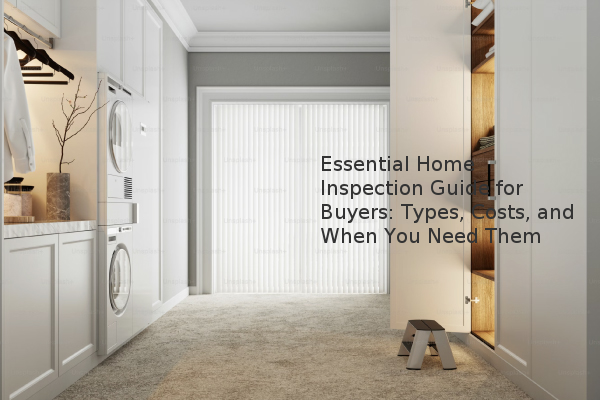
A professional home inspection is a critical step in the home-buying process, providing an objective assessment of a property's condition. While a standard general inspection is common, many situations require specialized inspections to uncover hidden issues like mold, structural problems, or environmental hazards. Based on our experience assessment, obtaining the right inspections can save a buyer thousands of dollars in unforeseen repairs and is a powerful tool for negotiation. This guide details the essential types of home inspections, their average costs, and the specific scenarios in which each is warranted.
A general home inspection is a non-invasive examination of a property's major systems and structural components, conducted by a licensed professional. It typically covers the foundation, roof, plumbing, electrical, and HVAC systems. This inspection serves as a foundational report, often revealing the need for more specialized evaluations. The average cost ranges from $300 to $500, and it is highly recommended for every home purchase. The inspector's report will highlight areas of concern, prompting further investigation if necessary.
Specialized inspections are recommended when a general inspection reveals potential problems, when a home is older, or when specific risk factors are present. For example, homes built before 1978 may contain lead-based paint, while properties in certain regions may have higher risks for radon gas or soil issues. The decision to get a specialized inspection should be based on the general inspector's recommendations, the home's age, and its location.
Mold inspection is crucial for identifying hidden mold growth, which can cause respiratory issues and other health problems. Mold often grows in damp, unseen areas like basements, crawl spaces, or behind walls. If a musty odor is present or the general inspector notes moisture issues, hiring a mold remediation company for a professional assessment is advisable. The process involves air and surface sampling.
While a general inspection evaluates the roof's visible condition, a dedicated roof inspection by a licensed contractor is recommended for older homes or if the general inspector notes significant wear. This inspection provides a detailed analysis of the roof's remaining lifespan and identifies potential leaks or structural damage, helping you avoid a replacement costing tens of thousands of dollars.
Homes built before 1980 often require specific environmental tests.
Certain home systems warrant their own inspection if issues are suspected.
Additional inspections cater to specific property features.
A thorough inspection process is one of the best investments a homebuyer can make. Always start with a general home inspection and use its findings to determine the need for specialized services. While the combined cost of multiple inspections can seem high, it pales in comparison to the expense of repairing a major hidden defect after purchase. Use the inspection reports as a factual basis to negotiate with the seller, either requesting repairs, a price reduction, or a credit at closing.