Browse

Log in / Register
 Share

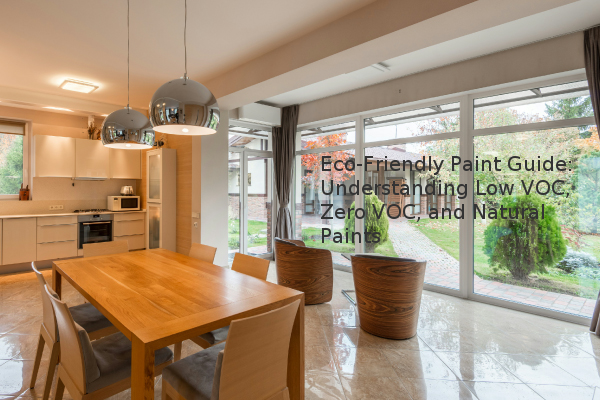
Choosing an eco-friendly paint is a critical step for homeowners seeking to improve indoor air quality and reduce their environmental impact. Low VOC, Zero VOC, and natural paints offer sustainable alternatives to conventional paints by minimizing harmful chemical emissions. This guide explains the key differences, pros, cons, and how to identify certified products for a healthier home.
Volatile Organic Compounds (VOCs) are gases emitted from certain solids or liquids, including many traditional paints. According to the U.S. Environmental Protection Agency (EPA), concentrations of these gases can be up to ten times higher indoors than outdoors. Exposure to VOCs can lead to short-term health effects like headaches, dizziness, and eye irritation, and may impact long-term indoor air quality. Since paint can release VOCs during application and for a period after, selecting a low-emission product is essential for health and sustainability.
Low VOC paint typically contains fewer than 50 grams of VOCs per liter, though stricter standards apply in states like California. These paints are usually water-based, as opposed to oil-based paints which contain higher levels of toxic chemicals. While a significant improvement, low VOC paints are not entirely free of emissions, and you will likely still notice a paint odor. Major brands like Behr and Benjamin Moore offer extensive color options in low VOC formulas. When selecting a product, always read the label carefully as VOC levels can vary by manufacturer.
Zero VOC paint is defined as containing less than 5 grams of VOCs per liter. It is the best choice for those with chemical sensitivities, for improving indoor air quality, or for minimizing environmental impact. It is important to note that adding color tint can sometimes introduce trace VOCs. While color selection may be slightly more limited than with low VOC options, brands such as Sherwin-Williams and Clare Paint provide a wide range of zero VOC paints in various finishes.
Natural paints are made from raw, mineral-based ingredients like clay, chalk, plant oils, and milk protein. They are free from synthetic chemicals and heavy metals, offering a completely VOC-free option. However, they are often more expensive, have a shorter shelf life, and come in a more limited range of colors and finishes. Brands like ECOS Paints specialize in these products. For the DIY enthusiast, some natural paints can even be made at home.
With numerous options available, third-party certifications can help verify a product's claims. Look for these labels:
Consulting these certifications takes the guesswork out of identifying truly sustainable paints.
Pros:
Cons:
Regardless of the paint you choose, proper ventilation during and after painting is crucial for safety and optimal drying.
Selecting an eco-friendly paint involves balancing cost, color selection, and environmental goals. For the healthiest option, prioritize Zero VOC or natural paints with reputable third-party certifications. While the initial investment is higher, the benefits for your home's air quality and the environment are substantial. Always ensure good ventilation during your painting project to safeguard your household.