Browse

Log in / Register
 Share
Share
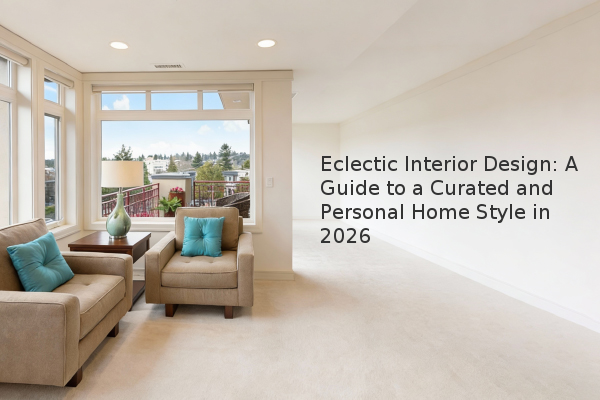
Eclectic interior design is a popular and accessible style that allows you to blend different furniture eras, bold colors, and personal artifacts to create a unique home. Based on our experience assessment, a successful eclectic space is not a random collection of items but a carefully curated environment that feels intentional and balanced. This approach is particularly budget-friendly, as it encourages the reuse of existing furniture and unique finds. The core principle is to mix, not match, creating a home that is a direct reflection of your personality.
Eclectic design is defined by its intentional combination of elements from various styles, periods, and origins to create a cohesive and personal space. Unlike a single-theme room, an eclectic interior celebrates contrast and individuality. The style originated in the early 1900s with the Arts and Crafts movement, as progressives sought to fill their homes with art and furnishings that felt personal rather than adhering to one specific trend. Today, it remains a powerful way for homeowners to express a distinctive touch. The key challenge is to achieve a pleasant melting pot of elements without creating visual chaos.
Eclectic style embraces bold colors, but balance is essential. The strategy involves using a neutral base—such as white walls or a quiet gray floor—to ground the room. Against this calm backdrop, you can confidently introduce bold accent hues like emerald green, vibrant pink, or bright blue. For example, a neutral sofa can be amplified with a collection of brightly colored pillows and a striking piece of art. This method ensures the space feels dynamic but not overwhelming, allowing each pop of color to stand out intentionally.
Yes, the intentional mixing of furniture styles is a cornerstone of eclectic design. There is no single "eclectic" furniture line; the goal is to combine pieces that speak to you. You might pair a Mid-Century Modern sofa with a rustic wooden table or place a Victorian-era chair next to a modern lamp. The success of this mix depends on creating visual harmony through scale, color, or shape. For instance, different dining chairs can work together if they share a similar height or silhouette. The result is a space that tells a story and feels collected over time, not bought in a single set.
Accessories are where eclectic design becomes highly personal and affordable. This is your opportunity to incorporate items from your travels, display a gallery wall of mixed art and photos, or layer textures and patterns. Think geometric pillows against a textured solid sofa or a smooth, silky throw blanket on a patterned armchair. The key is to layer patterns thoughtfully; avoid combining too many competing prints like stripes, polka dots, and plaids all at once. Instead, anchor the room with a solid element, such as a deep teal wall, that allows the mixed patterns in a rug or pillows to coexist peacefully.
To implement eclectic style successfully, always edit your choices ruthlessly. A room should have a balance of old and new, dark and light, and large and small items. The final result should be a home that is easier to live in, not a cluttered theme park. Each new addition should enhance the curated look, not contribute to a hot mess.