Browse

Log in / Register
 Share
Share
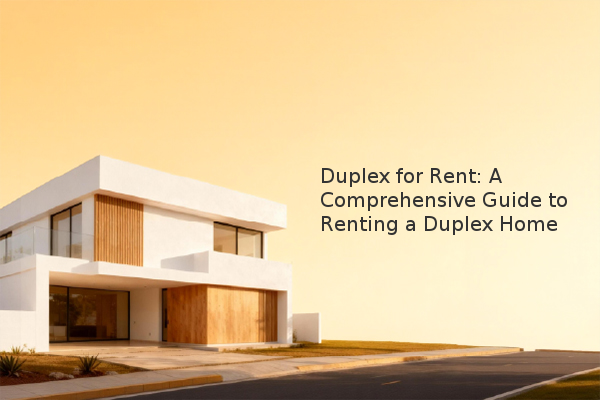
Renting a duplex can be an excellent alternative to a single-family home or apartment, offering a unique blend of privacy, space, and potential affordability. This guide provides a clear, objective overview of what a duplex is, the process of renting one, key cost considerations, and practical steps for prospective tenants. The core appeal of a duplex lies in its two-unit structure, which often provides more square footage and a yard compared to a standard apartment, while potentially being more affordable than a standalone house.
A duplex is a single residential building divided into two separate housing units. These units can be arranged side-by-side or stacked on top of each other, each with its own private entrance. Unlike a single-family home, you will share a wall (or floor/ceiling) with your neighbor, who is the occupant of the other unit. Understanding this layout is crucial as it defines the living experience, balancing the benefits of a house-like feel with the proximity of neighbors found in multi-family buildings.
When considering a duplex for rent, it's important to identify who your landlord will be. In many cases, the owner of the property might live in one unit and rent out the other. This can lead to faster response times for maintenance issues but may also mean a closer landlord-tenant relationship. Alternatively, the property might be managed by a professional management company, which typically offers a more formalized process for requests and communications.
The process of renting a duplex is similar to renting other property types but requires careful attention to the lease agreement. This legally binding document outlines the rights and responsibilities of both the tenant and the landlord. You should meticulously review the lease agreement, paying special attention to clauses regarding maintenance responsibilities for outdoor spaces like lawns and gardens, as these can vary significantly.
Key items to look for in the lease include the policy on guests, subletting, and any specific rules about noise or the use of shared amenities like a driveway or laundry facilities. Since you will have a neighbor in very close proximity, the lease should clearly define quiet hours and dispute resolution procedures. Based on our experience assessment, securing renter's insurance is highly recommended to protect your personal belongings from unforeseen events like theft or fire.
While the monthly rent is the primary cost, budgeting for a duplex involves several other factors. You will likely be responsible for setting up and paying for utilities such as electricity, gas, water, and internet. It is essential to ask the landlord which utilities, if any, are included in the rent. Sometimes, water or trash services are covered.
Additionally, upfront costs are a critical part of the financial planning. Landlords typically require a security deposit, which is often equivalent to one month's rent, refundable at the end of the lease provided there is no damage beyond normal wear and tear. You may also encounter application fees. The table below provides a general overview of average costs associated with renting a duplex in different U.S. regions (data sourced from 2024 industry reports).
| U.S. Region | Average Monthly Rent (2-Bedroom Duplex) | Average Security Deposit |
|---|---|---|
| Midwest | $1,200 - $1,800 | $1,200 - $1,800 |
| South | $1,400 - $2,000 | $1,400 - $2,000 |
| Northeast | $2,000 - $3,000 | $2,000 - $3,000 |
| West | $2,200 - $3,200 | $2,200 - $3,200 |
Finding a duplex for rent requires a targeted search. Utilize online rental platforms and filter your search for "multi-family homes" or specifically for "duplexes." Driving through neighborhoods you're interested in can also yield "For Rent" signs from individual owners who may not list properties online.
Once you find a suitable property, the application process begins. Be prepared to provide documents such as proof of income (e.g., recent pay stubs), government-issued photo ID, and contact information for previous landlords for references. Landlords will commonly conduct a credit and background check to assess financial reliability. Presenting a complete application packet can significantly improve your chances of approval in a competitive rental market.
In summary, renting a duplex offers a unique living situation that combines elements of apartment and home living. Success hinges on thoroughly understanding the lease terms, accurately budgeting for all potential costs, and carefully evaluating the property's condition and neighborhood. A methodical approach to the search and application process will help you secure a duplex that meets your needs and lifestyle.