Browse

Log in / Register
 Share
Share
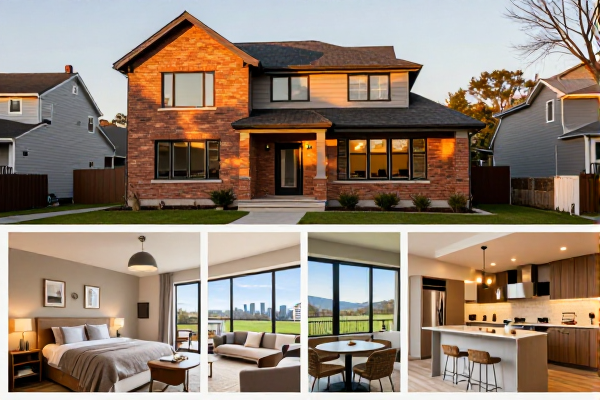
In 2026, the typical down payment for a house in the U.S. is not a fixed 20%, with many conventional loans requiring as little as 3% and first-time home buyer programs offering options with 0% down. The exact amount depends on your loan type, credit profile, and the property's price. Understanding the true cost beyond the down payment itself—including closing costs and cash reserves—is critical for an accurate budget. This guide provides a data-driven overview to help you determine your specific down payment requirement.
A down payment is the initial, upfront portion of the total purchase price that a home buyer pays during a real estate transaction. It is not financed as part of the main mortgage loan. The primary purpose of a down payment is to provide the lender with immediate equity in the property, which reduces their risk. A larger down payment often translates to better loan terms, such as a lower interest rate, because the lender has a larger financial cushion if the borrower defaults.
Different mortgage programs have vastly different minimum down payment rules. The most common loan types and their typical 2026 requirements are:
| Loan Type | Minimum Down Payment | Key Eligibility Notes |
|---|---|---|
| Conventional 97 | 3% | For primary residences; often requires private mortgage insurance (PMI). |
| FHA Loan | 3.5% | Popular with first-time buyers; requires both an upfront and annual mortgage insurance premium (MIP). |
| VA Loan | 0% | Available to eligible veterans, service members, and surviving spouses; no mortgage insurance. |
| USDA Loan | 0% | For homes in designated rural and suburban areas; income limits apply. |
| Jumbo Loan | 10-20%+ | For loan amounts exceeding conforming limits; requirements are stricter. |
Private Mortgage Insurance (PMI) is a type of insurance that protects the lender if a borrower with a conventional loan and a down payment of less than 20% defaults on their payments. This is an additional monthly cost that is added to your mortgage payment until you reach 20% equity in the home.
Focusing solely on the down payment is a common pitfall. Your required cash to close includes several other significant expenses. Closing costs, which cover loan origination fees, appraisal, title insurance, and other services, typically add another 2% to 5% of the home's purchase price. Furthermore, most lenders require you to have several months of mortgage payments in cash reserves after closing to ensure you can handle ongoing expenses. Budgeting for these additional costs is essential to avoid last-minute financial shortfalls.

Saving for a down payment in 2026's economic climate requires a disciplined approach. Consider automating transfers to a dedicated high-yield savings account. Explore down payment assistance programs offered by state and local housing finance agencies, which can provide grants or low-interest loans. Another strategy is to use gift funds from family members, which is allowed by most loan programs provided proper documentation is supplied. Based on our experience assessment, setting a specific savings goal and timeline makes the process more manageable.
Determining your down payment is a balance between your immediate cash availability and your long-term financial goals. A smaller down payment gets you into a home sooner, while a larger one reduces your monthly payment and overall loan cost. Thoroughly research all loan options and use online calculators to model different scenarios.