Browse

Log in / Register
 Share
Share
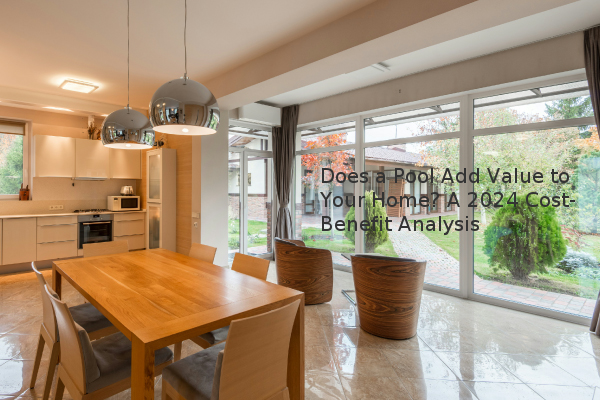
A well-maintained in-ground pool can increase a home's value, particularly in warm climates, but the financial return is often modest and may not offset the significant ongoing costs for maintenance, utilities, and insurance. For many homeowners, the primary benefit is lifestyle enhancement rather than a sound financial investment. This analysis breaks down the key considerations, from upfront installation expenses to long-term safety responsibilities, to help you determine if a pool is a worthwhile addition to your property.
How Much Value Does a Pool Actually Add to a Home?
The value a pool adds is highly dependent on your local market. According to recent industry analysis, a home with a well-maintained saltwater pool—a system that uses a salt chlorine generator instead of traditional chlorine—may sell for approximately 1.5% more than a comparable home without one. This premium is most pronounced in warm-weather states where pools can be used year-round. In colder climates, a pool may offer minimal ROI due to its limited seasonal use. Furthermore, an older pool requiring significant repairs or updates can actually detract from your home's market value. The key takeaway is that a pool is not a guaranteed profit-generating upgrade; its value is subjective to potential buyers in your area.
What Are the Ongoing Costs of Pool Ownership?
Beyond the initial installation, which can range from $40,000 to $100,000+ depending on materials (concrete, fiberglass, or vinyl liner) and features, homeowners face recurring expenses. These include:
How Can You Make a Pool Safer and More Sustainable?
Safety is a non-negotiable aspect of pool ownership. To mitigate risks, especially for children and pets, you must install a safety fence or barrier with a self-latching gate and consider a motorized safety cover. Removing diving boards and slides can further reduce injury risks. From a sustainability standpoint, upgrading to a variable-speed pump and LED pool lights can drastically reduce energy consumption. Regular maintenance ensures equipment operates at peak efficiency, saving both money and resources.
What Are the Financing Options for Installing a Pool?
If you decide to proceed, several financing options are available. It is critical to compare terms and interest rates.
Before making a final decision, consider a test run with a seasonal above-ground pool to gauge your family's actual usage. The initial excitement of a pool can wane, especially as children grow older. Ultimately, the decision to install a pool should be based more on your personal enjoyment and lifestyle goals than on the expectation of a substantial financial return. Weigh the luxury of a private oasis against the undeniable commitment of time, money, and vigilance.