Browse

Log in / Register
 Share

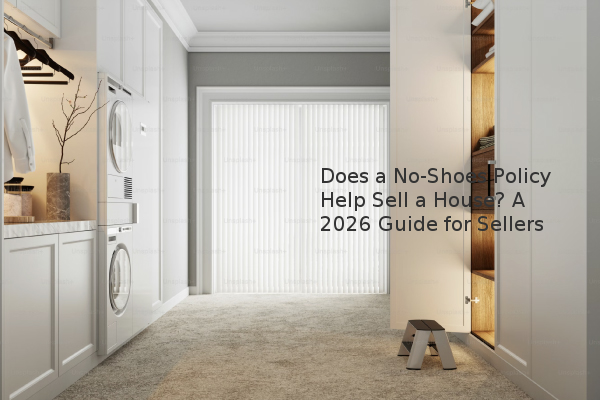
Implementing a no-shoes policy during home showings can be a decisive factor in a competitive real estate market. Based on industry expertise, this practice directly protects your flooring—a critical element buyers notice first—and can increase your home's perceived value, potentially boosting the final sales price. For sellers in 2026, this simple guideline is a strategic move to present a clean, well-maintained property.
Flooring is one of the first features a potential buyer evaluates. The condition of your floors acts as a signal for the home's overall upkeep. Scratched hardwood, stained carpets, or damaged tile can raise questions about neglect, while pristine floors foster immediate trust. As homebuyers often walk through properties barefoot or in socks during showings, they are highly sensitive to the texture and cleanliness underfoot. Furthermore, flooring impacts a room's ambiance; well-maintained surfaces reflect light better, making spaces feel larger and brighter. Since replacing flooring is a significant expense, buyers place a premium on homes that appear move-in ready, saving them thousands of dollars.
A no-shoes policy safeguards each flooring type uniquely, preserving its value and appeal.
A no-shoes home communicates more than just cleanliness; it signals a well-maintained and health-conscious property. Buyers often associate this policy with a homeowner who has been attentive to other, less visible aspects of home maintenance. In the current market, cleanliness is a top priority, and a shoes-off guideline reinforces an image of a hygienic living space. This allows buyers to more easily envision themselves living in the home, which is a key emotional driver in the purchasing decision. Floors in excellent condition can directly increase a home’s value, as buyers are frequently willing to pay a premium to avoid immediate upgrade costs.
If you are preparing to list your home, you can quickly adopt this practice. Here are practical steps for a smooth transition:
Conclusion For home sellers in 2026, a no-shoes policy is a low-cost, high-impact strategy. The primary benefit is the preservation of your flooring, which is a major factor in a buyer's first impression and valuation of your property. This practice signals that the home has been cared for meticulously, builds trust with health-conscious buyers, and can ultimately contribute to a faster sale at a better price. The key to success is making the policy convenient and clear for everyone who enters your home.